
3 min read
Laz Tribes and Clans
“Each valley had its own voice, each clan its own pride, yet all shared the same sea and the same mountains.”
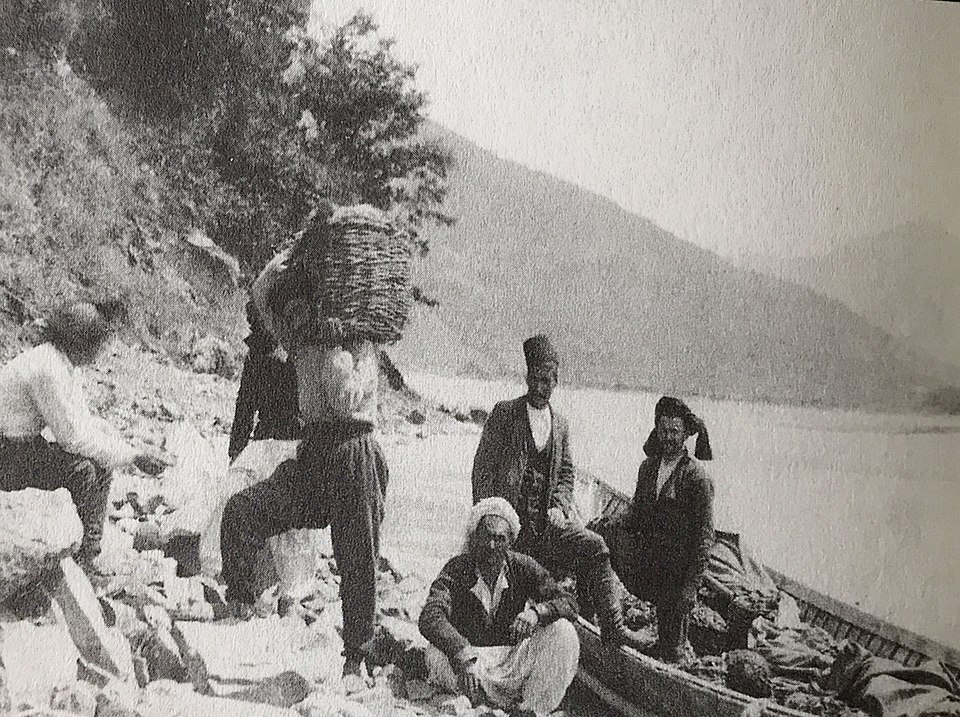
Laz society was historically organized around tribal and clan affiliations that determined social relationships, territorial boundaries, marriage patterns, and mutual obligations. While modernization and urbanization have weakened these structures considerably, they remain an important part of Laz identity and collective memory, particularly among older generations and in rural communities.
The Main Laz Subgroups
The Laz people are traditionally divided into several subgroups, primarily defined by dialect and geographic location along the Black Sea coast. These divisions reflect both linguistic variation and centuries of distinct settlement patterns.
The Xopuri (Hopali) are the easternmost Laz group, centered around Hopa and Kemalpaşa in Artvin province, extending to the Georgian border. Their dialect is considered the most conservative, retaining archaic features of proto-Zan. The Xopuri have historically maintained closer contact with Georgia and the Adjaran Laz across the border.
The Vizuri (also called Vitsuri or Arkabuli) inhabit the Fındıklı and Arhavi regions. This group speaks a dialect that shares features with both the eastern Xopuri and western Atinuri varieties. The Arhavi Laz are known for their strong maritime traditions and distinctive local customs.

The Ardeşenuri (Artaşenuli) are centered around Ardeşen and Çamlıhemşin, forming one of the largest Laz-speaking populations. This region has produced many of Turkey’s prominent Laz cultural figures, including musicians and writers. The traditional clan structure here was closely tied to highland yayla (summer pasture) territories in the Kaçkar Mountains.
The Atinuri (Pazaruri) are the westernmost Laz group, centered around Pazar (historically called Atina). Their dialect shows the greatest Turkish influence, reflecting the longer period of contact with Turkish-speaking populations to the west. Laz-speaking communities further west toward Rize city have largely lost the language.
Clan Structure
Within each subgroup, Laz society was organized into extended family networks and clans (called cema in Lazuri). These clans typically shared a common ancestor (real or mythological), territorial claims over specific valleys and highland pastures, mutual defense obligations, and strict marriage customs. Exogamy, the practice of marrying outside one’s own clan, was common and served to build alliances between families.
Traditional Laz communities were governed by councils of elders who adjudicated disputes, managed communal resources such as forests, pastures, and water rights, and represented the community in dealings with outside authorities. This system of communal governance persisted well into the Ottoman period and echoes of it can still be found in village social structures today.
Modern Transformations
The traditional tribal and clan structure has been significantly weakened by Ottoman centralization, Republican nationalism, mass urbanization to Istanbul and other cities, and the general forces of modernization. Despite these changes, Laz people, especially in rural areas and among older generations, continue to identify with their subgroup and family clan. Diaspora Laz in Istanbul and Germany often organize cultural associations along regional lines (Ardeşenliler, Hopalılar), preserving a modern echo of the ancestral tribal structure.