
3 min read
Geography of Lazistan
“Where the mountains meet the sea, where the rain never ceases, where green is the only color the earth knows.”
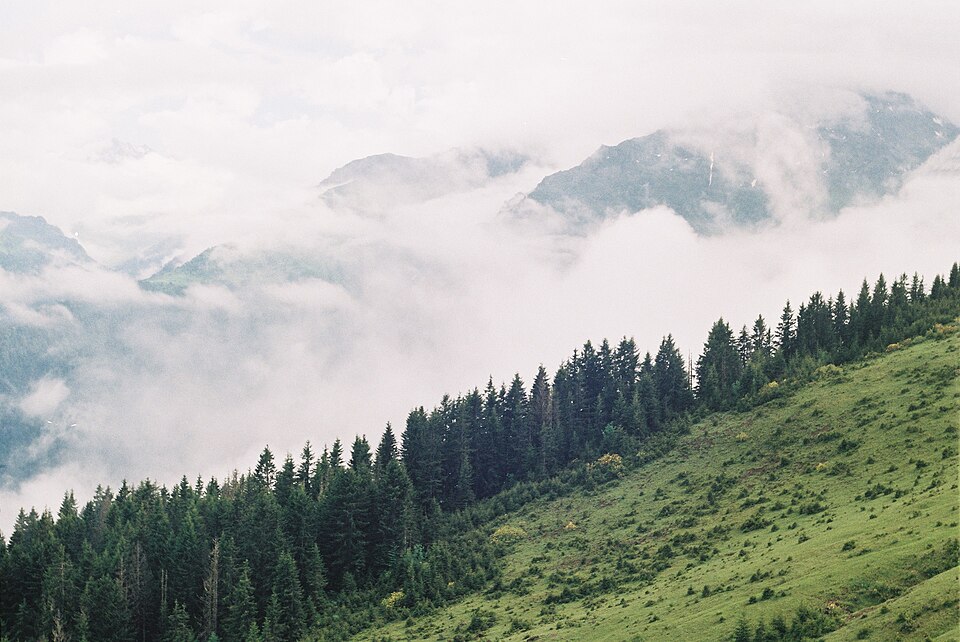
The Laz homeland, historically known as Lazistan, stretches along the southeastern coast of the Black Sea from approximately the area west of Trabzon eastward to the Georgian border. This region encompasses parts of modern Rize and Artvin provinces in Turkey and extends into the Adjara region of Georgia. It is one of the most visually dramatic and ecologically rich landscapes in all of Eurasia.
Landscape and Climate
Lazistan is defined by extreme topography. Lush green mountains rise steeply from the Black Sea shoreline, reaching heights of over 3,000 meters in the Kaçkar Mountain range within just a few kilometers of the coast. The region receives some of the highest rainfall in Turkey, exceeding 2,200 millimeters annually in some areas, creating a landscape of dense temperate rainforests, rushing rivers, and misty valleys that feel almost tropical in their intensity.
The climate is mild and humid along the coast, with warm summers and cool, rainy winters. In the highlands, conditions become progressively cooler and more alpine, with heavy snowfall in winter and wildflower meadows in summer.
Key Cities and Towns
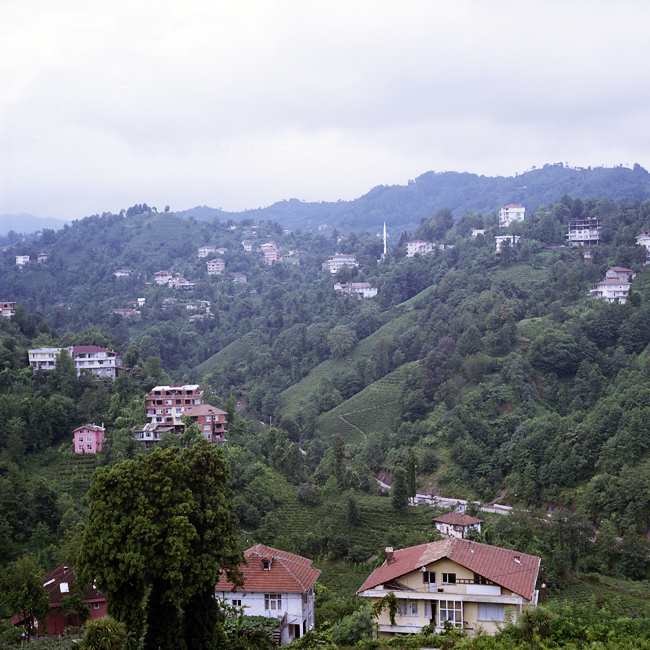
The major Laz population centers include Rize, the provincial capital and center of Turkey’s tea industry; Artvin, the gateway to the eastern highlands; Ardeşen and Çamlıhemşin, the cultural heartland of the Laz; Pazar, the westernmost Laz-speaking town; Fındıklı and Arhavi, known for their maritime traditions; Hopa, the birthplace of Kazım Koyuncu and the easternmost major Laz town in Turkey; and Borçka, nestled in the interior mountains.
Natural Features
The region is famous for its terraced tea plantations, which since the 1940s have transformed the hillsides of Rize into carpets of emerald green. Ancient stone arch bridges, many dating to the Ottoman and medieval periods, span the region’s gorges and rivers with graceful arches that seem to defy gravity. The Çoruh River, one of the fastest-flowing rivers in the world, carves a spectacular gorge through Artvin province. And the Kaçkar Mountains offer alpine scenery of extraordinary beauty: glacial lakes, wildflower meadows, and traditional highland pastures where Laz families still practice seasonal transhumance.
This is a landscape that has shaped every aspect of Laz life, from the steep wooden houses built on mountain slopes to the maritime traditions of the coastal towns, from the horon dance to the songs that echo across the valleys. To understand the Laz is to understand their mountains and their sea.