
3 min read
History of Lazistan
“Between empires, between faiths, between mountains and sea, the Laz have endured.”
Ancient Origins
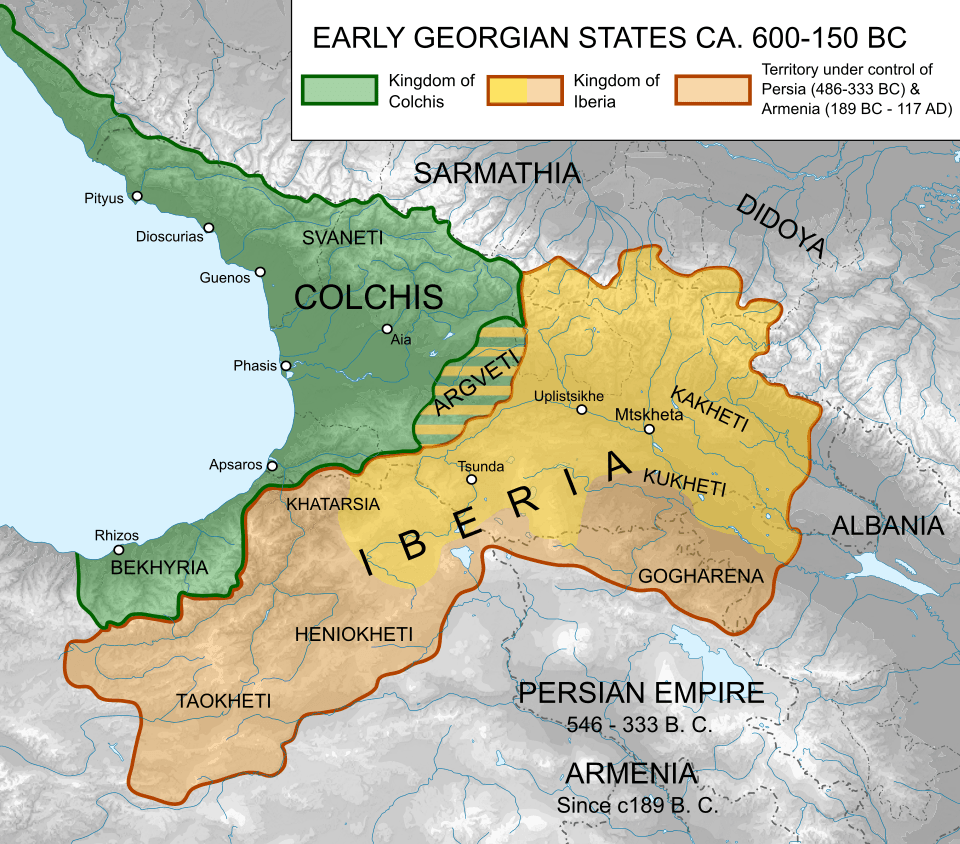
The Laz trace their origins to the ancient Colchians, who inhabited the eastern shores of the Black Sea in classical antiquity. This is the same Colchis of Greek mythology where Jason and the Argonauts sought the Golden Fleece. By the 1st century AD, a distinct Laz political entity had emerged: the Kingdom of Lazica, known in Georgian sources as Egrisi. At its height, Lazica controlled a vast territory stretching from modern Trabzon to Abkhazia, with its capital at Archaeopolis (modern Nokalakevi in western Georgia).
Byzantine and Sassanid Rivalry

Lazica occupied a strategic position between the Byzantine and Sassanid (Persian) empires, making it a frequent battleground. The Lazic War (541u2013562 AD) was one of the most significant conflicts of the 6th century, fought almost entirely on Lazican soil. King Gubazes II navigated the treacherous politics between the two superpowers before being assassinated in a Byzantine plot in 555 AD. The war ended with Byzantine control over Lazistan, and by the 7th century the kingdom had ceased to exist as an independent entity.
Ottoman Period
The Ottoman Empire gradually incorporated Lazistan during the 15th and 16th centuries. Under Ottoman rule, the Laz converted from Christianity to Islam over several centuries. The region was administered as part of the Trabzon vilayet, with the Laz enjoying a degree of local autonomy under powerful derebey (feudal lord) families. Lazistan was known for its fierce warriors, its maritime traditions, and its resistance to centralized control.
Republic of Turkey
Following the establishment of the Republic of Turkey in 1923, the Laz, like other ethnic minorities, faced assimilation policies aimed at creating a homogeneous Turkish national identity. The use of the Laz language was discouraged, and between 1980 and 1991, minority languages including Laz were effectively banned under military rule. Despite these pressures, many Laz communities maintained their language and customs, particularly in rural highland areas far from state oversight.
Modern Era
Since the 1990s, a growing Laz cultural revival has emerged, with increased publication of Laz-language materials, the establishment of cultural organizations like the Laz Institute, and greater public discussion of Laz identity. However, the language continues to decline, and the future of Lazuri as a living language remains uncertain. The Laz stand at a crossroads: between the weight of a rich past and the pressures of an uncertain future.
Related Articles
- The Ottoman Conquest of Lazistan – How Lazistan entered the Ottoman Empire, 1461 to 1547
- The Kingdom of Lazica (Egrisi) – The ancient Laz kingdom