
3 min read
Flag and Symbols
Flag and Symbols of Lazistan
The Laz people carry a deep connection to a set of symbols that reflect their history, geography, and cultural identity. From ancient Colchian heritage to the modern sounds of the tulum, these symbols tell the story of a people rooted in the mountains and shores of the Black Sea.
The Flag of Lazistan

The flag of the historical Lazistan Sanjak
The flag of Lazistan represents the historical identity of the Laz homeland along the southeastern Black Sea coast. The design reflects the Ottoman-era Lazistan Sanjak, the administrative region that encompassed the core Laz-speaking territories in what is today the provinces of Rize and Artvin.
Coat of Arms

Lazistan Milli Arması (National Coat of Arms)
The Lazistan coat of arms incorporates historical and cultural motifs that connect the modern Laz people to the ancient Kingdom of Lazica and the broader Colchian heritage of the region.
Historical Map
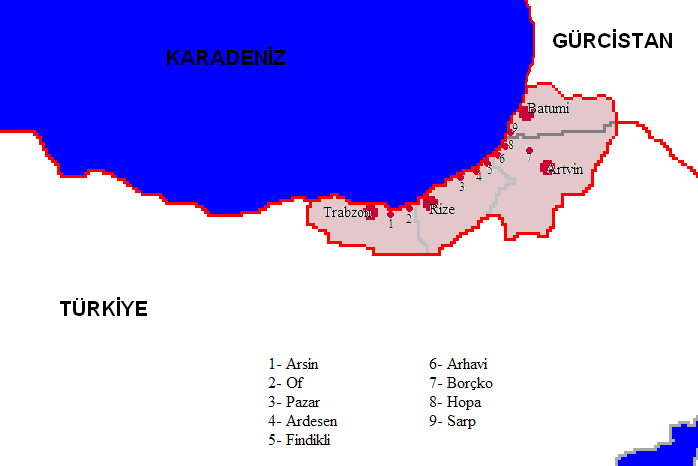
Historical map of the Lazistan region along the Black Sea coast
Cultural Symbols
The Tulum
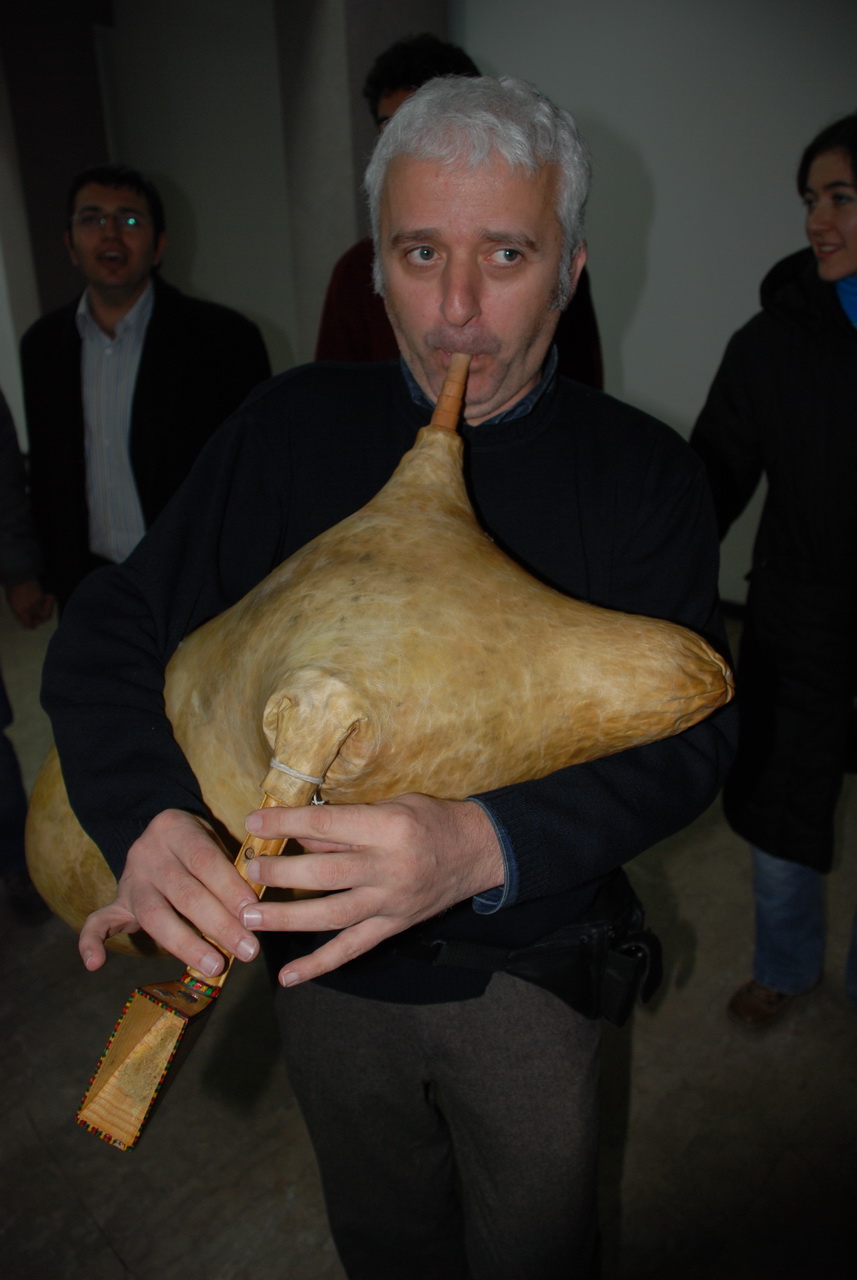
Birol Topaloğlu playing the tulum
The tulum (called gudu in Lazuri) is perhaps the most recognizable symbol of Laz culture. This goatskin bagpipe produces a continuous, haunting drone that forms the rhythmic backbone of the horon dance. For centuries, the tulum has accompanied celebrations, weddings, and gatherings throughout the Laz highlands. Today, it remains a powerful emblem used by Laz cultural organizations worldwide.
The Kemençe
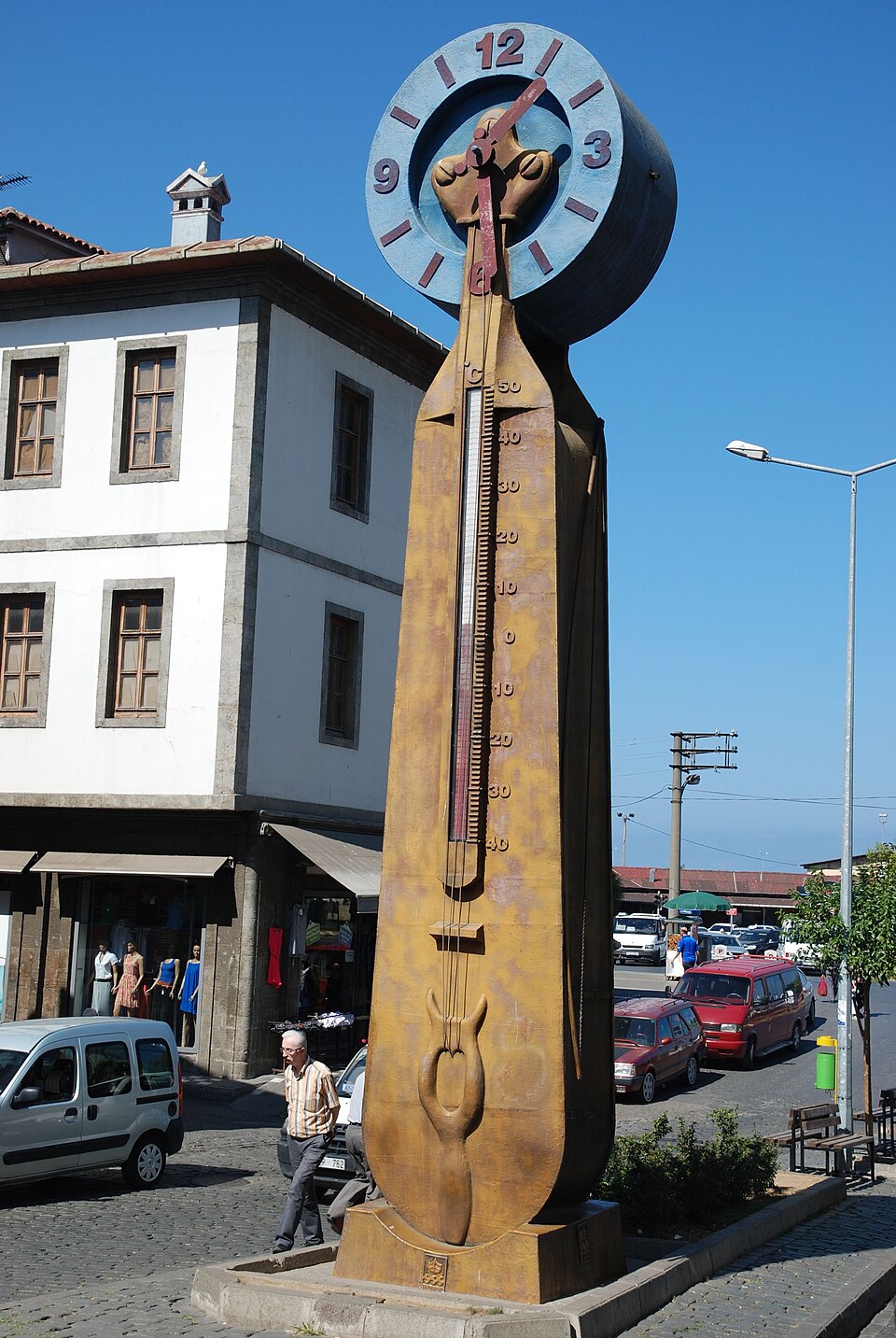
The kemençe, Rize
The kemençe (called kemença in Lazuri) is a three-stringed bowed fiddle with a sharp, nasal tone that is instantly associated with the eastern Black Sea. Along with the tulum, it forms the core of traditional Laz music. Skilled kemençe players are celebrated as living cultural treasures in their communities.
Tea Plantations
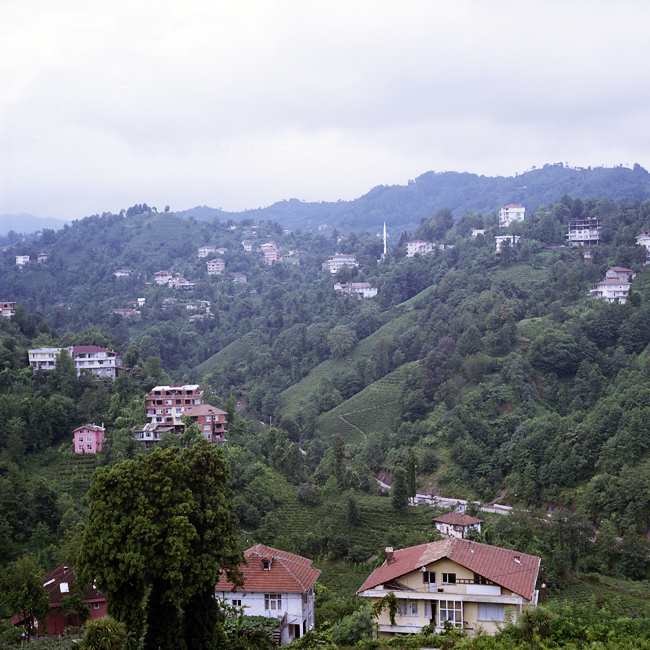
Tea plantations in Rize, the heart of Lazistan
Since the introduction of tea cultivation in the 1940s, the emerald hillsides of Rize have become one of the most iconic landscapes of Lazistan. Tea culture is deeply woven into Laz daily life, and the tea leaf has become a modern symbol of the region’s identity and economic heritage.
The Golden Fleece
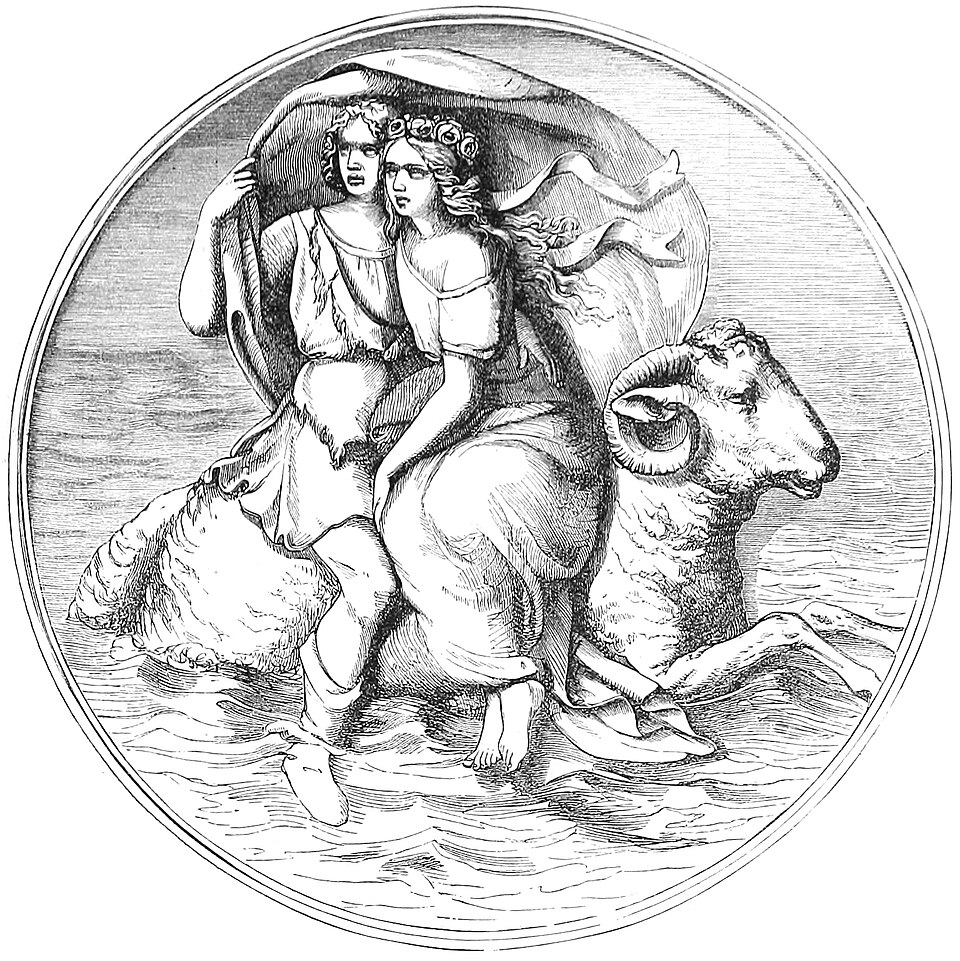
The Golden Fleece, 1852
The myth of the Golden Fleece, sought by Jason and the Argonauts in the ancient land of Colchis, connects the Laz to one of the oldest civilizations of the Black Sea. Colchis corresponds to the territory that later became the Kingdom of Lazica. Some Laz cultural organizations have adopted the Golden Fleece as a symbol of this deep historical continuity.
Map of Ancient Colchis
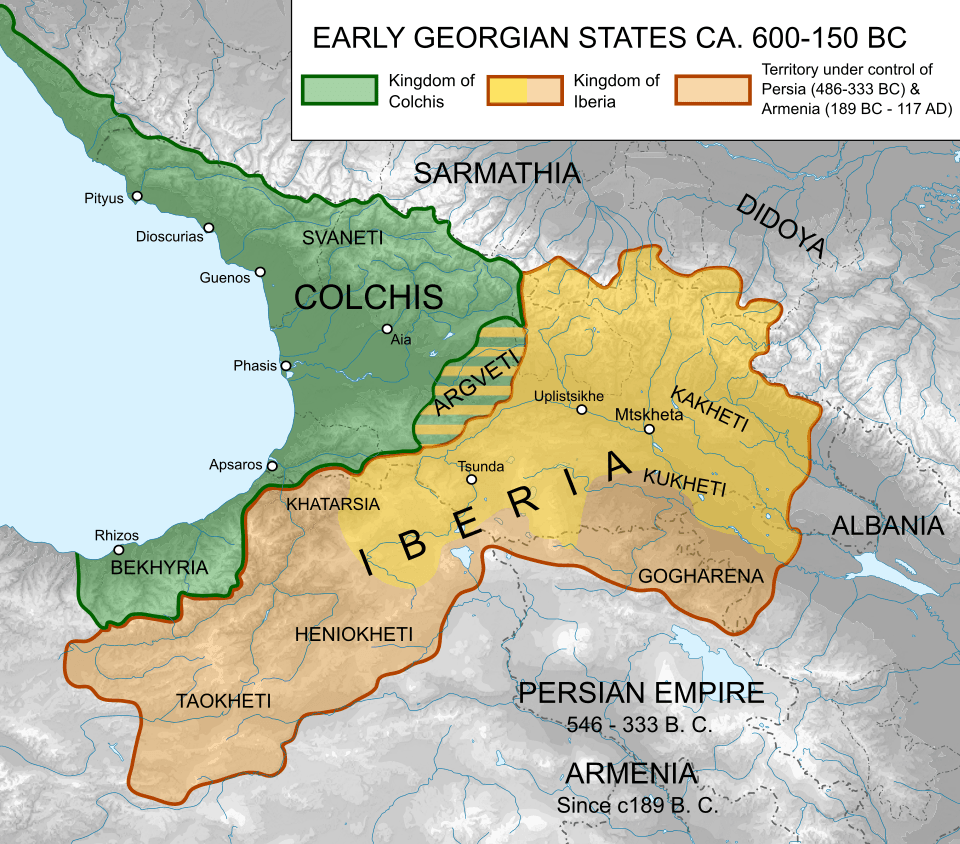
Colchis and Iberia, 600 to 150 BC. The ancestors of the Laz people inhabited this region.
Colors of Lazistan
The colors most associated with Laz identity reflect the natural world that surrounds them:
The Black Sea
Mountains and Tea
Kaçkar Peaks
The Golden Fleece