




Laz Traditional Dances: The Horon
4 min read
The Horon: The Heartbeat of Laz Culture
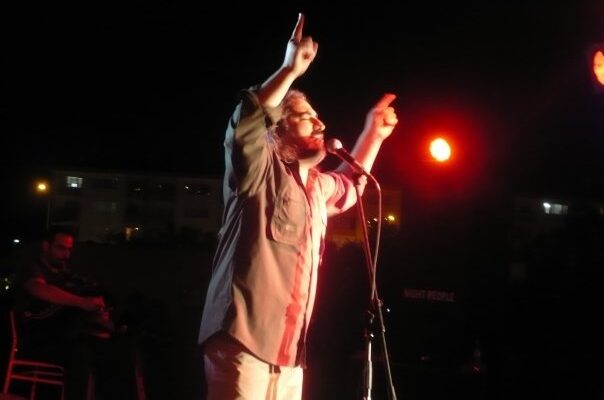
Of all the cultural expressions that define the Laz people, none is more immediately recognizable or emotionally powerful than the horon, the traditional circle and line dance of the Black Sea coast. The horon is not merely a dance; it is a communal ritual, a celebration of identity, and a physical manifestation of the Laz spirit. At weddings, festivals, and community gatherings throughout Lazistan, the sound of the tulum and the sight of dancers moving in perfect unison remain among the most stirring experiences of Laz cultural life.
Characteristics of the Horon
The horon is characterized by its extraordinarily fast tempo, its precise and energetic footwork, and its performance in a tightly linked line or semicircle. Dancers stand shoulder to shoulder, their arms interlocked or hands clasped, moving as a single organism. The basic step involves rapid, rhythmic trembling of the entire body, particularly the shoulders and torso, combined with quick, sharp foot movements that accelerate as the music builds to its climax.
What distinguishes the Laz horon from other regional variants is its sheer speed and intensity. While horon-style dances are performed across the entire Black Sea coast of Turkey, from Sinop to the Georgian border, the Laz version, particularly as danced in the Artvin and eastern Rize areas, is widely considered the fastest and most physically demanding. The dance demands exceptional endurance, coordination, and a deep intuitive connection between dancers.
Musical Accompaniment
The horon is traditionally accompanied by two iconic instruments of the Black Sea region:
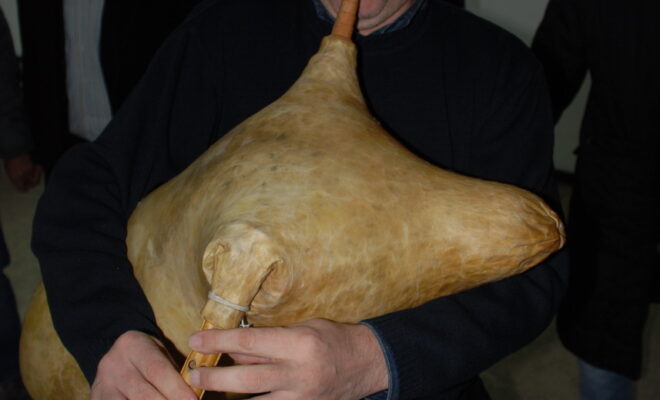
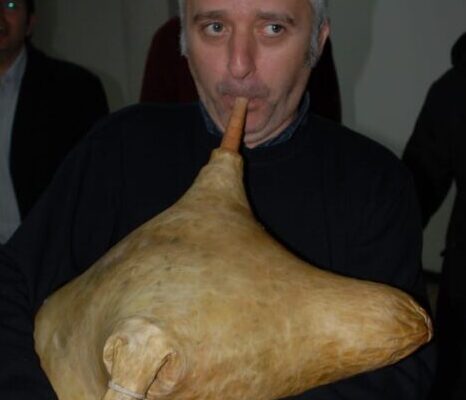
- The Tulum (Lazuri: gudu): A bagpipe made from goatskin, producing a continuous, droning sound that drives the rhythmic pulse of the dance. The tulum is perhaps the most authentically Laz instrument, with deep roots in the pastoral traditions of the Black Sea highlands.
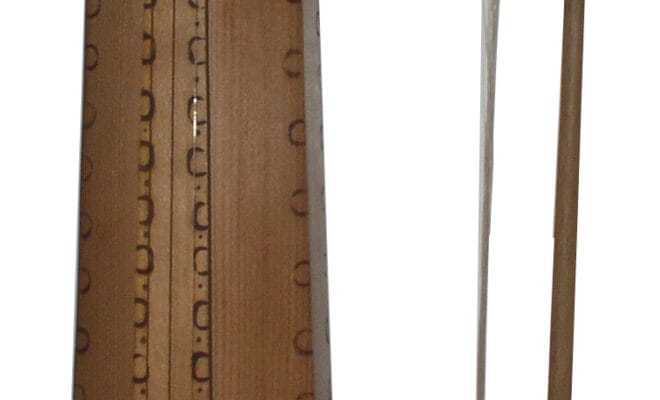
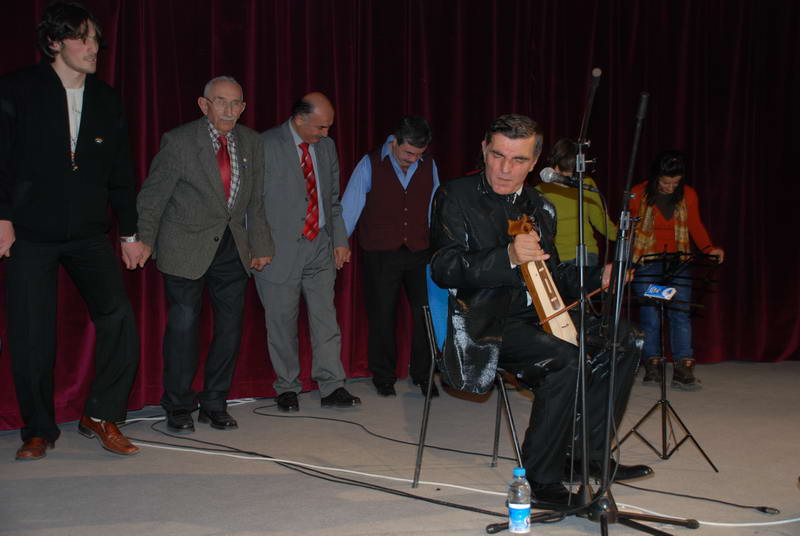
- The Kemençe (Lazuri: kemença): A small, three-stringed bowed fiddle with a distinctive nasal tone. The kemençe player (kemençeci) is a highly respected figure in Laz communities, and skilled players are celebrated as cultural treasures.
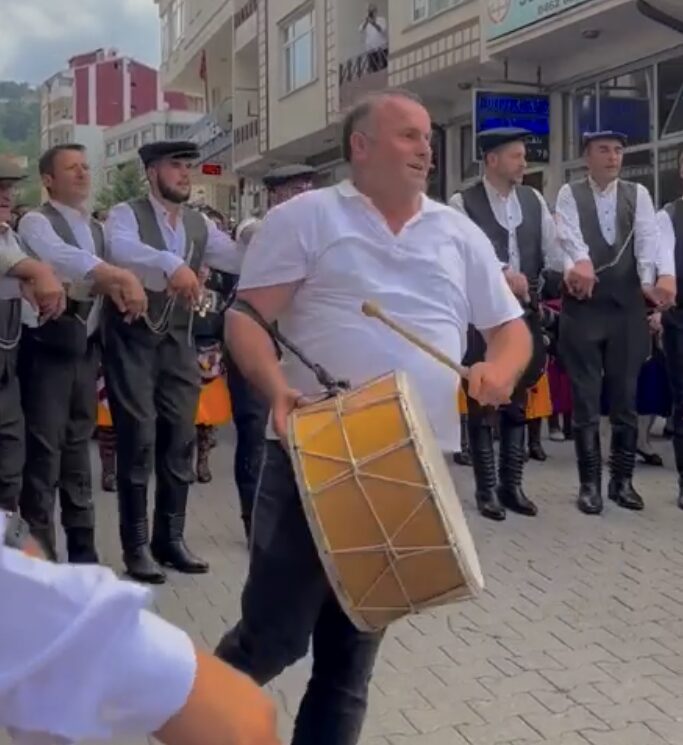
In modern times, the horon is also performed to the accompaniment of the davul (drum) and zurna (double-reed wind instrument), particularly at large public events and weddings.
Cultural Significance
The horon serves multiple social functions in Laz culture. At weddings, it is the central event of the celebration, with the bride and groom’s families competing to demonstrate their prowess on the dance floor. At village festivals and seasonal celebrations, the horon reinforces community bonds and provides a space for collective expression of joy, grief, and solidarity.
For the Laz diaspora, particularly in Istanbul, Ankara and Germany, the horon has become an especially powerful symbol of cultural identity. Laz cultural associations regularly organize horon performances and competitions, and the dance has become a rallying point for Laz cultural pride. Videos of spectacular horon performances regularly go viral on social media, introducing Laz culture to new audiences worldwide.
Regional Variations
Different Laz communities have their own horon variations. The Ardeşen horon is known for its particularly fast tempo, while the Çamlıhemşin style incorporates more elaborate arm movements. The Hopa horon has distinctive steps influenced by the proximity to Georgia. These regional variations are a source of friendly rivalry and pride among Laz communities.
Preservation and Future
While the horon remains vibrant in Laz communities, concerns exist about the transmission of traditional dance knowledge to younger generations, particularly in urban settings. Cultural organizations and dance groups play a vital role in teaching the horon to young Laz people and ensuring that this extraordinary art form continues to thrive. The horon is more than entertainment. It is the heartbeat of Laz culture, and its preservation is essential to the survival of Laz identity.