



The Kingdom of Lazica (Egrisi): A Forgotten Caucasian Kingdom
4 min read
The Kingdom of Lazica: Between Empires
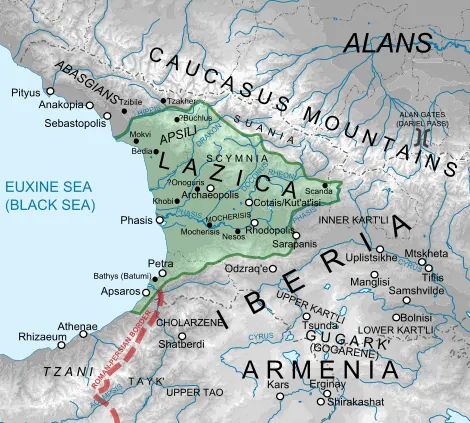
Along the misty shores of the eastern Black Sea, between the towering peaks of the Caucasus and the waters of the Pontus Euxinus, there once flourished a kingdom that played a pivotal role in the geopolitics of the ancient world. The Kingdom of Lazica (known as Egrisi in Georgian historiography) was a Kartvelian state that existed from approximately the 1st century AD until its absorption into the Byzantine Empire in the 7th century. Despite its historical significance, Lazica remains one of the least-known kingdoms of the ancient world, overshadowed by its more powerful neighbors.
Origins and Geography
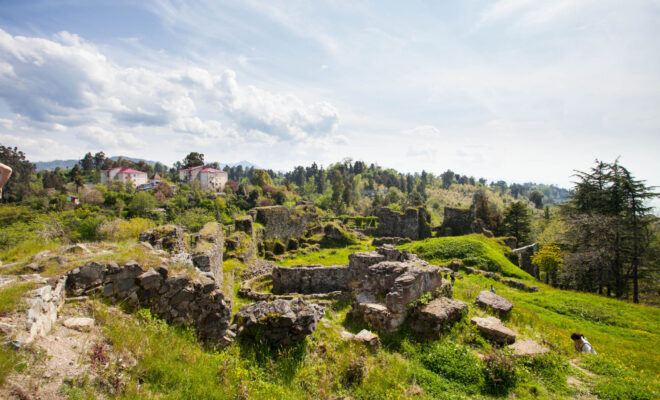
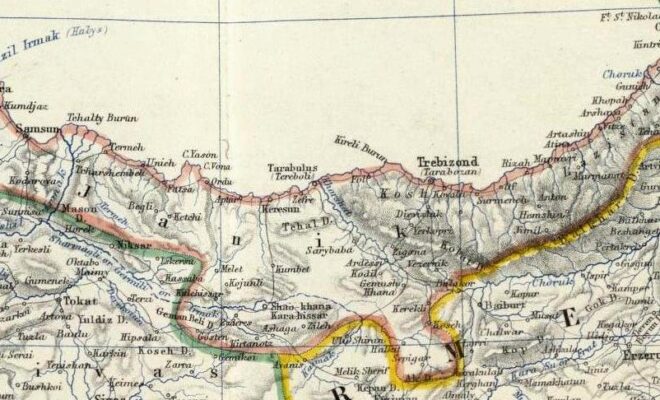
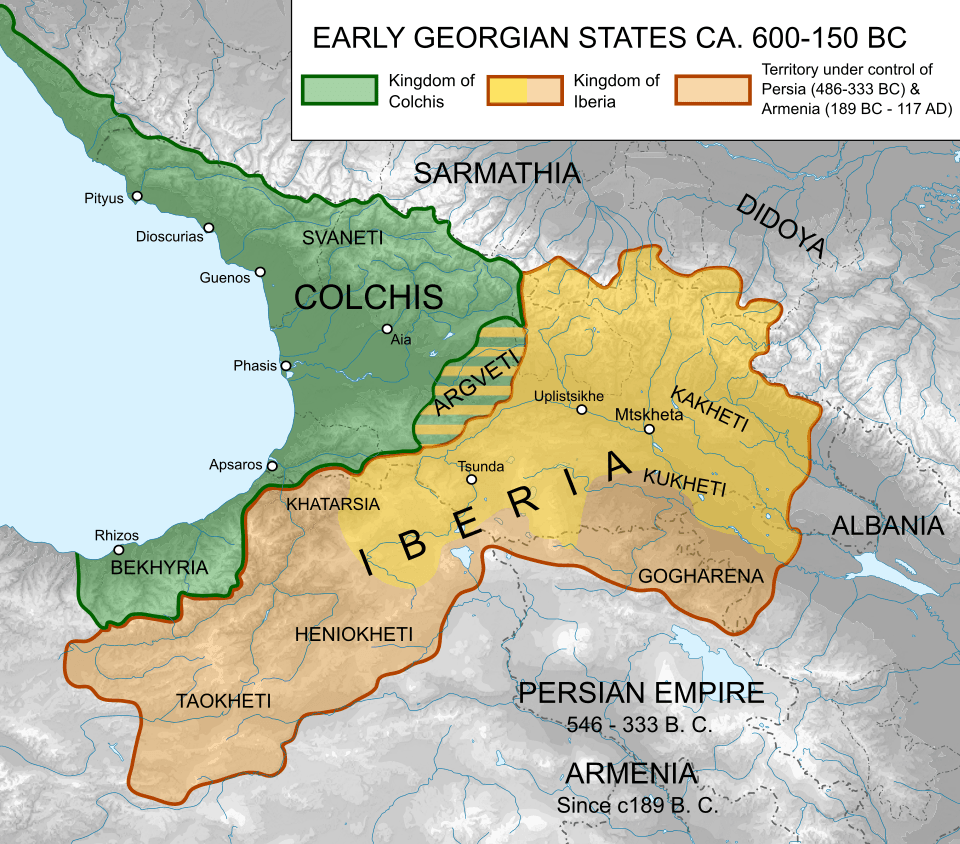
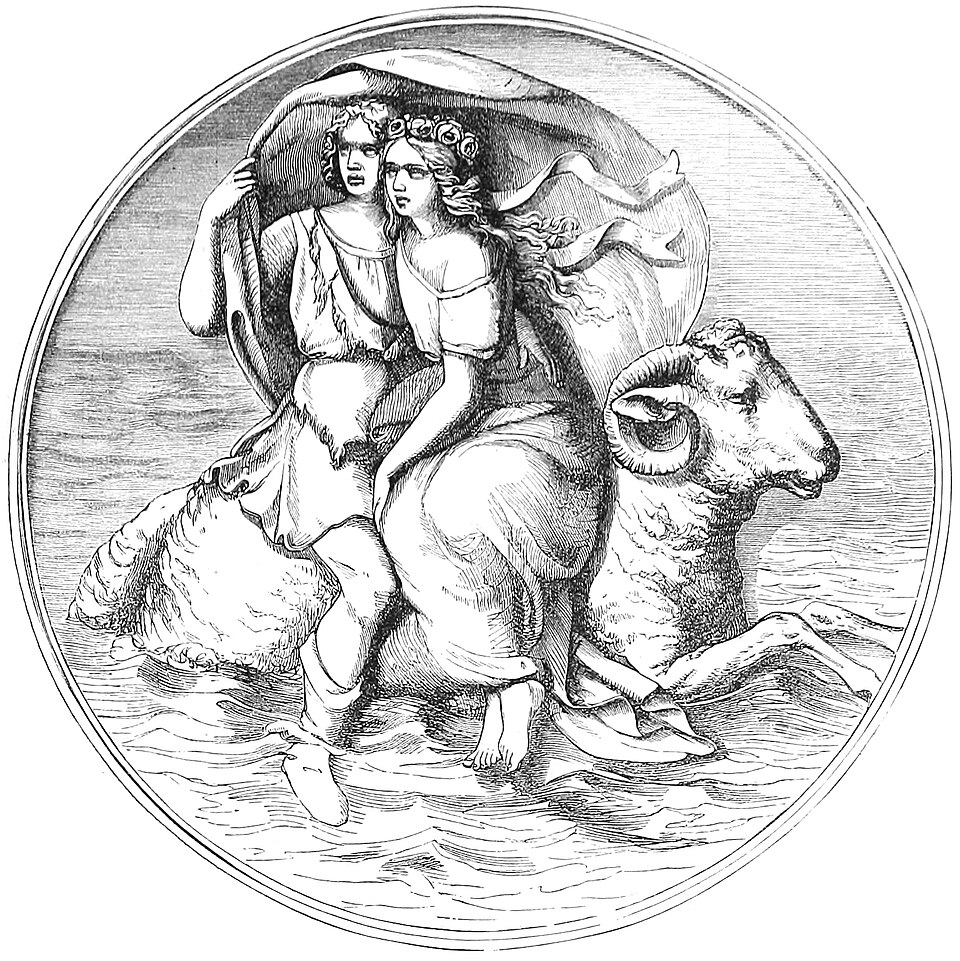
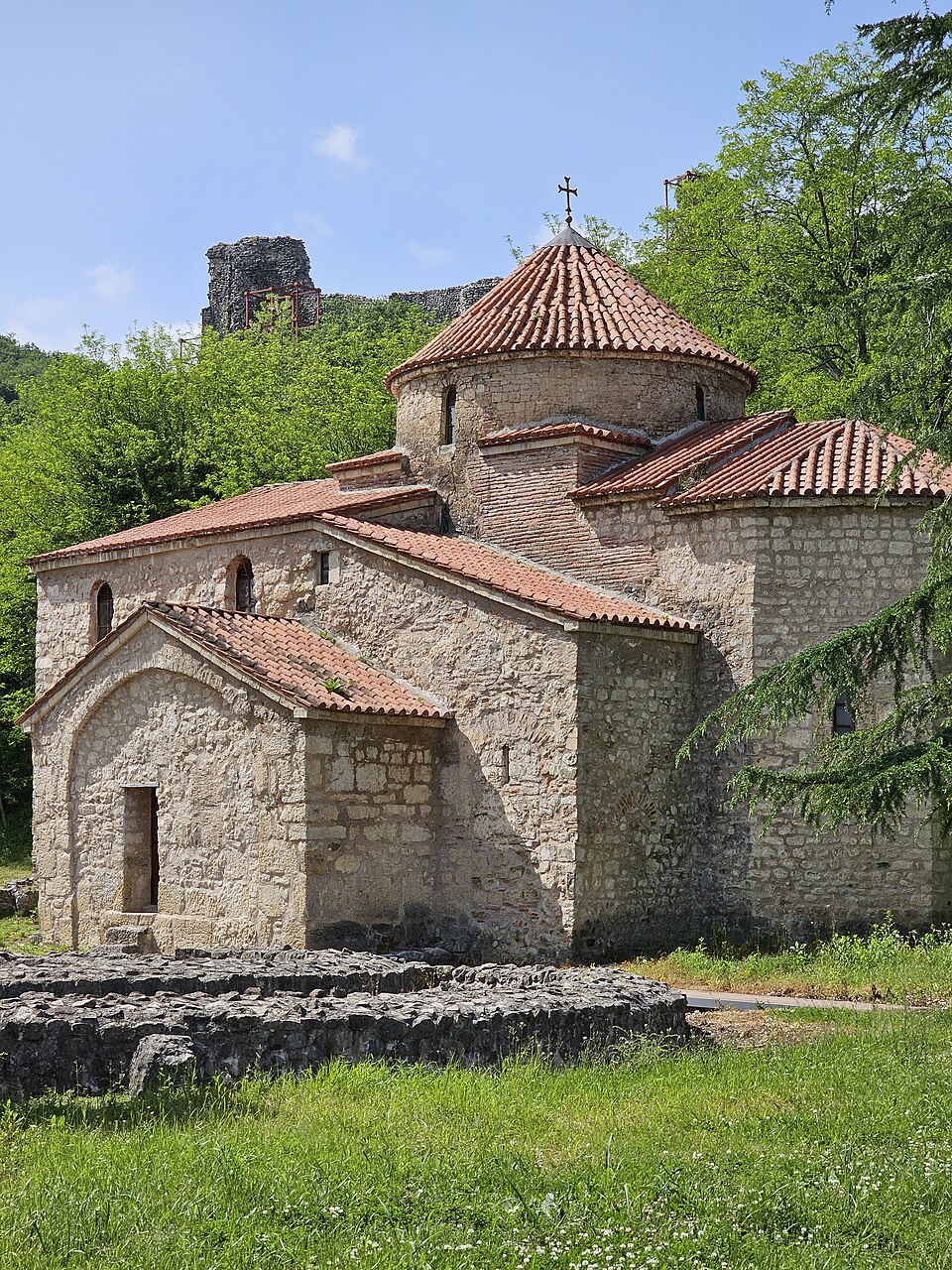
Lazica emerged from the older Colchian civilization, the legendary land of the Golden Fleece in Greek mythology. The kingdom occupied a vast territory along the eastern Black Sea coast, stretching from approximately modern-day Trabzon in the west to Abkhazia in the east, and extending inland to the western Georgian lowlands. Its capital was Archaeopolis, identified with the modern site of Nokalakevi in western Georgia, where impressive fortress ruins can still be visited today.
The kingdom controlled several important cities and fortresses, including Petra (modern Tsikhisdziri), Rhodopolis, and Sarapanis. Its territory encompassed diverse landscapes, from the subtropical Black Sea coast to the alpine meadows of the Caucasus, and its population included not only the Laz but also related Kartvelian peoples such as the Mingrelians and Svans.
Political Significance
Lazica’s geographic position made it one of the most strategically important states of late antiquity. Situated between the Byzantine Empire to the west and the Sassanid Persian Empire to the east, Lazica controlled crucial trade routes connecting the Black Sea to the Caucasus and beyond. Both empires recognized the importance of maintaining influence over Lazica, and the kingdom became a frequent arena for their rivalry.
The Laz kings navigated this dangerous geopolitical landscape with remarkable skill, playing the two empires against each other to maintain their independence. They accepted Christianity from Byzantium (by the 4th century AD) while occasionally seeking Persian support against Byzantine encroachment. This balancing act allowed Lazica to maintain a degree of autonomy for centuries.
The Lazic War (541-562 AD)
The most dramatic chapter in Lazica’s history was the Lazic War, a prolonged conflict between the Byzantine and Sassanid empires fought primarily on Lazican territory. The war began in 541 AD when the Laz king Gubazes II, dissatisfied with Byzantine interference, invited Sassanid troops into his kingdom. However, the Persian occupation proved far more oppressive than Byzantine influence, and Gubazes soon turned back to Constantinople for help.
The war that followed lasted over two decades and was one of the major conflicts of the 6th century. The Byzantine historian Procopius and the later historian Agathias provide detailed accounts of the campaigns, sieges, and battles that devastated Lazistan. The war ended with the Peace of 562, which confirmed Byzantine control over Lazica.
Decline and Legacy
Following the Lazic War, Lazica was gradually integrated into the Byzantine administrative system, losing its independence. By the 7th century, the kingdom had ceased to exist as a separate political entity. However, the Laz people maintained their distinct identity, language, and customs throughout the Byzantine period and beyond.
The legacy of the Kingdom of Lazica lives on in the identity of the modern Laz people, in the archaeological sites scattered across western Georgia and northeastern Turkey, and in the historical records of Byzantine and Persian historians. For the Laz community today, Lazica represents a golden age of independence and political significance, a reminder that the Laz were once masters of their own destiny and players on the world stage.
Sources
- Lazica on Wikipedia
- Colchis on Wikipedia
- The Lazic War on Wikipedia