



The Laz Diaspora: Communities Around the World

4 min read
The Global Laz Community: From the Black Sea to the World
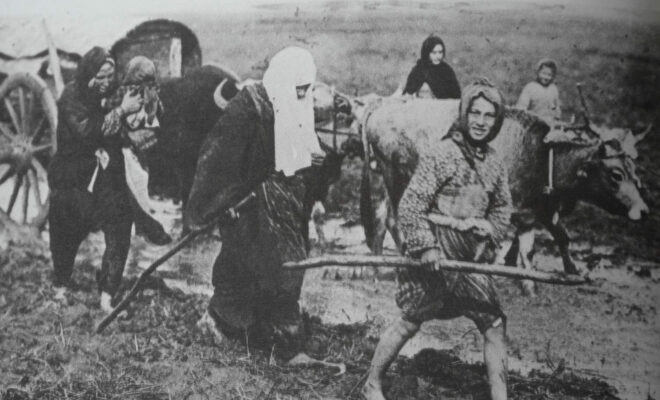
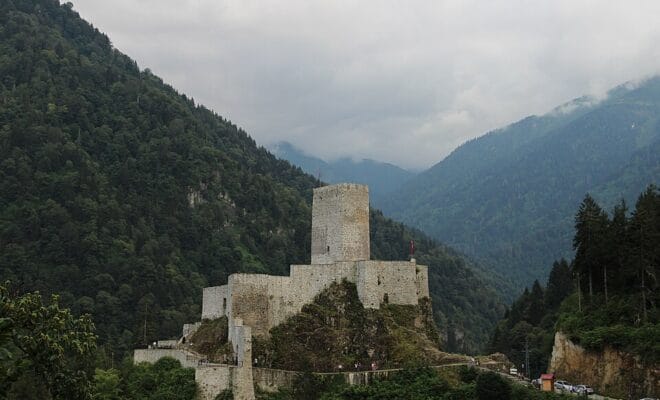
While the heartland of the Laz people remains the southeastern Black Sea coast of Turkey and the Adjara region of Georgia, centuries of migration, economic change, and urbanization have created significant Laz communities far from the ancestral homeland. Today, Laz people can be found across Turkey, in several European countries, and increasingly in other parts of the world. Understanding this diaspora is essential to understanding the modern Laz experience.
Turkey: Urban Migration
The largest Laz population outside of Lazistan proper lives in Turkey’s major cities, particularly Istanbul, which is home to hundreds of thousands of people of Laz origin. The migration began in earnest in the 1950s and accelerated through the 1970s and 1980s, driven by limited economic opportunities in the Black Sea region and the pull of industrial employment in western Turkey.
Other significant Laz communities in Turkey include Ankara (the capital), Bursa, Düzce (which has a particularly concentrated Laz population due to organized resettlement), Sakarya, and various cities along the Marmara coast. In Istanbul, Laz communities are particularly concentrated in neighborhoods on the European side and in suburban areas where Black Sea migrants traditionally settled.
These urban Laz communities face a paradox: while they have created vibrant cultural associations, restaurants, and social networks that celebrate Laz identity, the pressures of urban life and Turkish-language dominance have accelerated language loss. Many second- and third-generation urban Laz identify strongly as Laz culturally but speak little or no Lazuri.
Georgia: The Ancestral Connection
A small but culturally significant Laz community exists in Georgia, primarily in the Adjara region along the Turkish border. The village of Sarpi, split between Turkey and Georgia by the international border, is perhaps the most symbolically important Laz settlement in Georgia. Laz in Georgia have maintained closer connections to the broader Kartvelian cultural world, and some have preserved or returned to Christianity, distinguishing them from the predominantly Muslim Laz of Turkey.
Germany and Europe
Germany hosts the largest Laz community in Europe, numbering in the tens of thousands. Most German Laz are descendants of the guest worker (Gastarbeiter) migration waves of the 1960s and 1970s. Cities with notable Laz populations include Berlin, Cologne, Düsseldorf, and various cities in the Ruhr industrial region. Germany has also been an important center for Laz cultural and political activism. It was in Germany that some of the most important early work on Laz language documentation was conducted, including the collaboration between German linguist Wolfgang Feurstein and Laz intellectuals.
Smaller Laz communities also exist in France, the Netherlands, Belgium, Austria, and Switzerland, generally as part of the broader Turkish diaspora in these countries.
Challenges of Diaspora Life
Laz diaspora communities face unique challenges in maintaining their cultural identity. In Turkey’s cities, the Laz must navigate between their ethnic identity and the dominant Turkish national identity. In Europe, they contend with a triple identity (Laz, Turkish and European) and often find that their distinct Laz identity is invisible to both their host societies and the broader Turkish community.
Language preservation is the most critical challenge. In diaspora settings, where Lazuri is not spoken in schools, workplaces, or public life, the language survives mainly in family settings and cultural events. Each generation typically speaks less Lazuri than the one before.
Digital Connections
Social media and digital platforms have revolutionized how Laz diaspora communities stay connected. Facebook groups, WhatsApp communities, YouTube channels, and websites have created virtual spaces where Laz people from Istanbul to Berlin to Hopa can share music, discuss cultural issues, and maintain a sense of community that transcends geography. These digital connections may prove crucial to the survival of Laz identity in the 21st century.
Sources
- Laz people on Wikipedia
- Muhacir on Wikipedia