


The Beauty of Lazistan: Landscapes of the Eastern Black Sea
5 min read
Lazistan: Where Mountains Meet the Sea
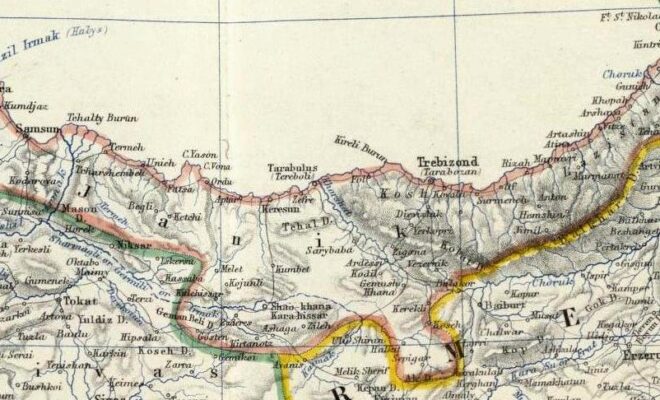
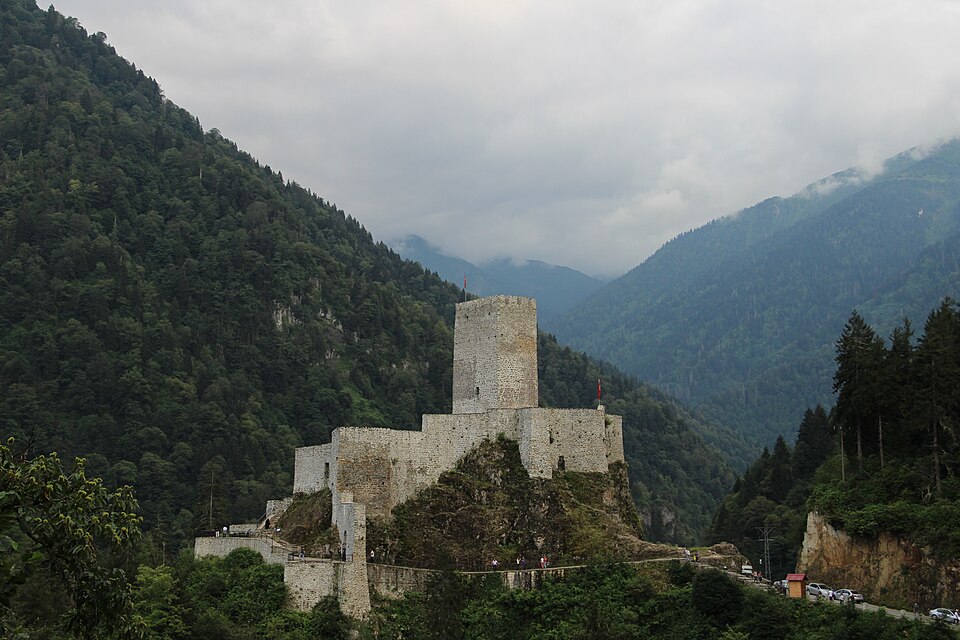
The Laz homeland, stretching along the southeastern coast of the Black Sea, is one of the most visually stunning and ecologically diverse regions in all of Eurasia. From the misty shores of the Pontus to the snow-capped peaks of the Kaçkar Mountains, Lazistan offers a landscape of extraordinary beauty that has shaped the character, culture, and spirit of the Laz people for millennia.
The Green Mountains
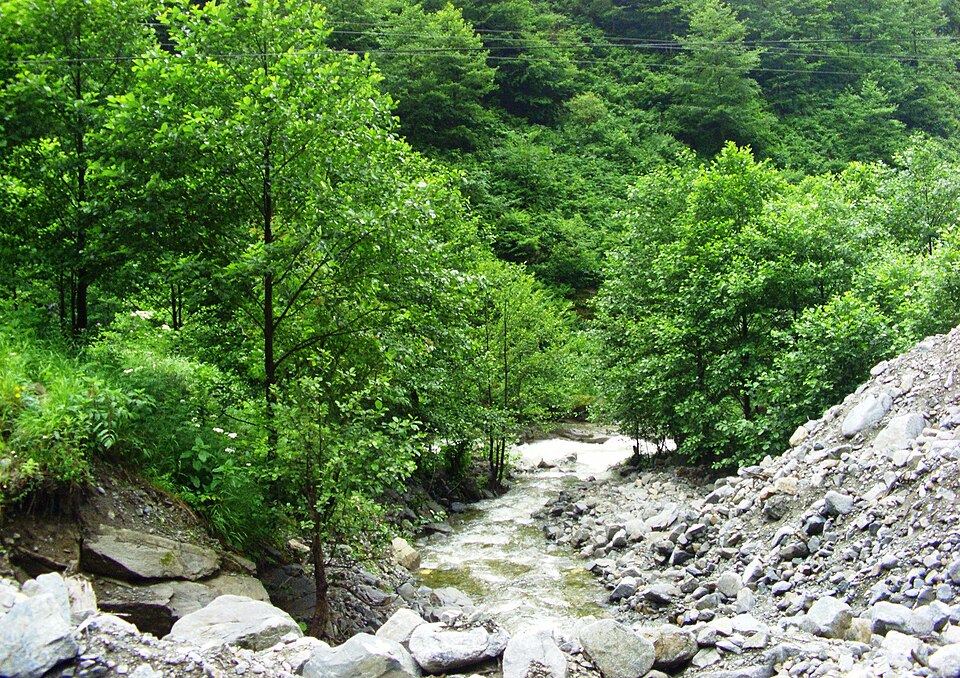
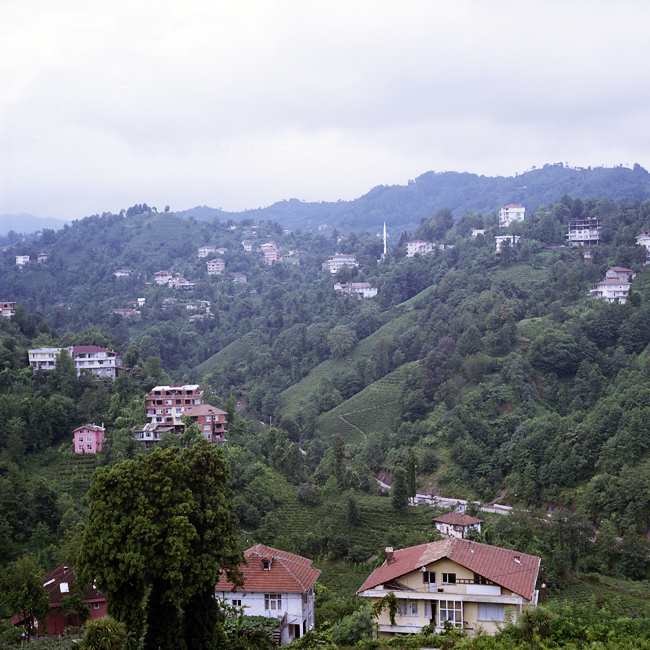
The first thing that strikes any visitor to Lazistan is the overwhelming greenness of the landscape. The eastern Black Sea coast receives some of the highest rainfall in Turkey, upwards of 2,200 millimeters annually in some areas, creating a lush, almost tropical environment that stands in stark contrast to the dry interior of Anatolia. Dense forests of beech, chestnut, spruce, and alder blanket the steep mountainsides, interspersed with thickets of rhododendron (known locally as komar) that explode in brilliant color each spring.
The mountains rise dramatically from the coastline, reaching heights of over 3,000 meters within just a few kilometers of the shore. This extreme topography creates a landscape of vertiginous slopes, narrow valleys, and rushing torrents that has shaped every aspect of Laz life, from architecture to agriculture to transportation.
Tea Plantations
Since the introduction of tea cultivation in the 1940s, the hillsides of Rize province have been transformed into vast, emerald-green tea plantations. The neatly trimmed rows of tea bushes, climbing up impossibly steep slopes, create one of the most iconic landscapes in Turkey. The tea harvest, which takes place from May to October, sees entire Laz communities mobilize for the picking, and the tea factories that dot the coastal towns fill the air with the warm, earthy scent of processing leaves.
Stone Arch Bridges
Among the most remarkable features of the Lazistan landscape are the hundreds of stone arch bridges that span the region’s rivers and gorges. Many of these bridges date to the Ottoman period, though some are believed to be even older. The most famous examples, including the stunning double-arch bridges in the Artvin and Rize highlands, are masterpieces of engineering that seem to defy gravity, their graceful arches reflected in the crystal-clear mountain streams below. These bridges were built by local Laz and Hemsin stonemasons whose skills were renowned across the Ottoman Empire.
Traditional Laz Houses
The traditional Laz house, known as himişkele, is a distinctive wooden structure perfectly adapted to the steep and rainy terrain of the Black Sea coast. Typically built on slopes, these houses feature elevated wooden frames, covered balconies, and steeply pitched roofs designed to shed the region’s heavy rainfall. The lower floors were traditionally used for storage and livestock, while the upper floors served as living spaces. Though many traditional houses have been replaced by modern concrete structures, fine examples still survive in highland villages and have become objects of cultural preservation efforts.
The Kaçkar Mountains
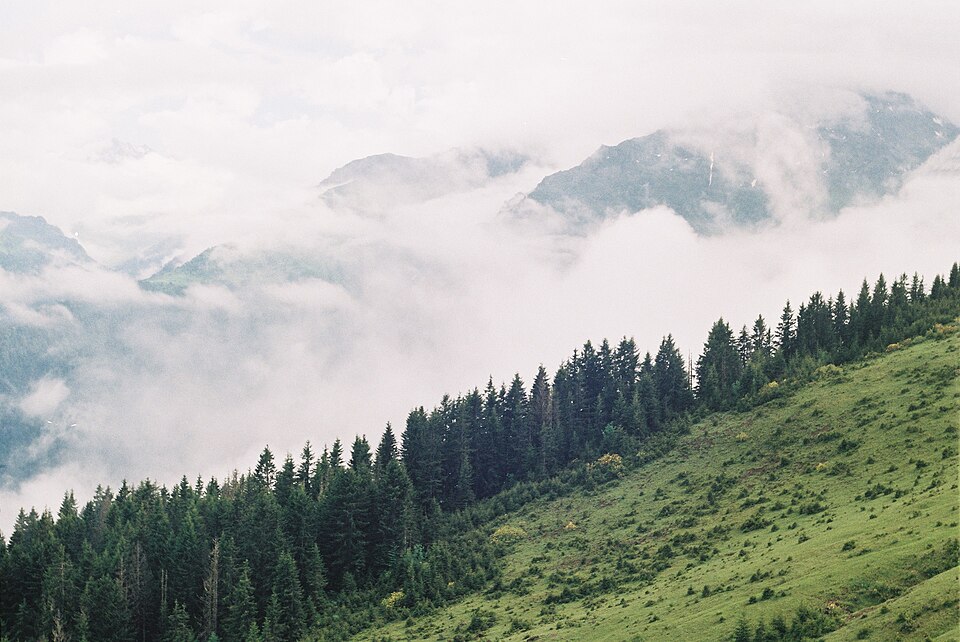
The Kaçkar Mountain range, rising to 3,937 meters at its highest point, forms the dramatic backdrop of Lazistan. These mountains offer some of the most spectacular alpine scenery in the entire Caucasus-Anatolian region: glacial lakes of impossible blue, wildflower meadows that rival any in the world, ancient glacial valleys, and dramatic rock formations. The Kaçkars are also home to the yayla tradition, the seasonal highland pastures where Laz families have taken their livestock for summer grazing for centuries, maintaining a way of life that connects them directly to their pastoral ancestors.
The Çoruh River
The Çoruh River, one of the fastest-flowing rivers in the world, carves a spectacular gorge through the mountains of Artvin province. The Çoruh valley is a landscape of dramatic contrasts: arid, rocky slopes give way to lush riverside vegetation, and medieval Georgian churches perch on cliff tops above the rushing waters. Though controversial dam projects have altered parts of the river, the Çoruh remains one of the great natural wonders of the eastern Black Sea region.
The Coastline
The Black Sea coastline of Lazistan is a dramatic meeting of mountain and sea. Unlike the gentle sandy beaches of Turkey’s Mediterranean and Aegean coasts, the Black Sea shore here is rocky and wild, with small bays, fishing harbors, and tiny beach coves nestled between headlands. The sea itself is temperamental, calm and sparkling on summer days, fierce and grey in winter storms. For the Laz, who have always been a maritime people as well as mountain dwellers, the sea is an integral part of their identity and their landscape.
This article will be enriched with photographs showcasing the breathtaking landscapes described above. If you have photographs of Lazistan that you would like to contribute, please contact us.
Sources
- Rize Province on Wikipedia
- Kackar Mountains on Wikipedia
- Laz people on Wikipedia