Notable Laz Figures in History and Culture
Famous People of Laz Origin: A Legacy of Achievement
Throughout history, people of Laz origin have made remarkable contributions to the political, cultural, military, and artistic life of Turkey, Georgia, and the wider world. Despite the relatively small size of the Laz community and the challenges of cultural assimilation, Laz individuals have risen to the highest levels of achievement in diverse fields. This article highlights some of the most notable figures of Laz heritage.
Historical and Political Figures
King Gubazes II of Lazica (6th century AD) — One of the most important rulers of the ancient Kingdom of Lazica. Gubazes navigated the treacherous politics between the Byzantine and Sassanid empires, initially inviting Persian forces into Lazica before turning back to Byzantium. His reign coincided with the devastating Lazic War (541-562 AD), and he was ultimately assassinated in a Byzantine-orchestrated plot in 555 AD. He remains a symbol of Laz sovereignty and political cunning.
Tuzcuoğluları / Laz notables of the Ottoman period — During the Ottoman era, numerous Laz families served as local ayan (notables) and derebeyi (feudal lords) in the Lazistan region, maintaining significant local autonomy. Many Laz also served with distinction in the Ottoman military, particularly in naval forces, leveraging their maritime skills from the Black Sea coast.
Modern Political Figures
Several Turkish politicians and statesmen have been of Laz origin, though in Turkey’s political culture, ethnic background is often downplayed. Laz politicians have served in various political parties and held positions at all levels of government, from local mayors in the Black Sea region to members of the Grand National Assembly.
Cultural and Artistic Figures
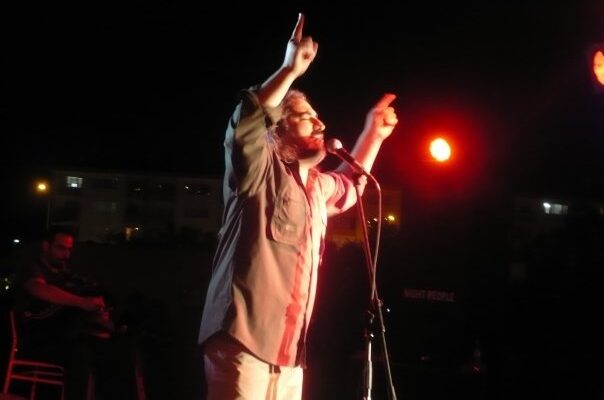
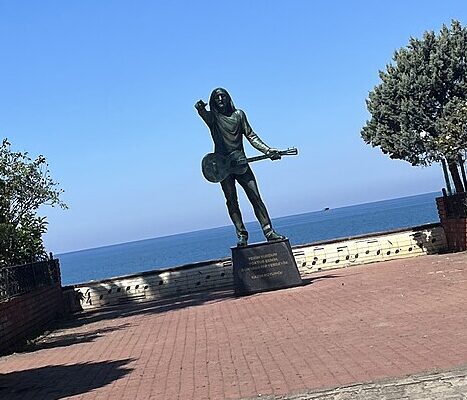
Kazım Koyuncu (1971-2005) — Perhaps the most beloved cultural figure of modern Laz identity, Kazım Koyuncu was a musician, singer, and activist from Hopa, Artvin. Known as the “Che Guevara of the Black Sea,” Koyuncu sang in both Lazuri and Turkish, blending traditional Black Sea music with rock, pop, and world music influences. His albums Viya and Hayde became anthems of Laz cultural pride. He was also an environmental activist, opposing the construction of nuclear power plants on the Black Sea coast. His untimely death from cancer at age 33 was mourned across Turkey and beyond, and he has become an enduring symbol of Laz cultural revival.
Zurab Tandaschwili — A Georgian writer and journalist of Laz origin who has written extensively about Laz identity and the connections between the Laz communities in Turkey and Georgia.
İskender Tzitashi (Chitashi) — A Laz intellectual in the Soviet Union who created the first Laz alphabet in 1929, a pioneering effort in Laz language documentation that laid the groundwork for all subsequent literacy work.
Sports
The Black Sea region of Turkey, including Laz areas, has produced numerous successful football players, wrestlers, and athletes. The physical culture of the region, with its emphasis on the horon dance and outdoor life in challenging mountain terrain, has contributed to a strong tradition of athletic achievement.
Business and Economy
Laz entrepreneurs have been prominent in Turkey’s food industry (particularly in baked goods, with the stereotype of the “Laz baker” being a well-known cultural trope in Turkey), the tea industry (given Rize’s role as Turkey’s tea capital), construction, and maritime trades. The Laz tradition of hard work, community solidarity, and adaptability has served Laz businesspeople well across diverse economic sectors.
The Importance of Recognition
Recognizing the contributions of Laz individuals to broader society serves a dual purpose: it celebrates genuine achievement, and it helps combat the cultural invisibility that minority groups often face. For young Laz people searching for role models and a sense of pride in their heritage, knowing that people of Laz origin have excelled in every field is a powerful source of inspiration.