



The Conversion of the Laz to Islam
3 min read
For over a thousand years the Laz were a Christian people, part of the Orthodox world of the eastern Black Sea. Today almost all Laz in Turkey are Sunni Muslims. The passage between these two worlds is one of the deepest transformations in the history of Lazistan.
From Christianity to Islam
The Laz had been Christian since late antiquity. After the Ottoman conquest of the eastern Black Sea in the 15th and 16th centuries, Islam gradually spread among them. The shift was not sudden: conversion unfolded over generations, gaining pace in the 16th and 17th centuries as Ottoman institutions, mosques and religious schools took root in the region.
A gradual, lasting change
By the modern era the Laz had become overwhelmingly Sunni Muslim, and are today often noted for a devout attachment to the faith. As in many converted regions, older customs did not vanish entirely: pre-Islamic and Christian-era folk beliefs survived quietly, woven into local tradition and the seasonal life of the mountains.
Faith and identity today
Islam is now an inseparable part of Laz identity, yet the memory of the earlier Christian centuries remains visible in place names, ruined churches and the deep historical ties between the Laz and the wider Caucasus. For the religious life of the Laz today, see our Religion page.
How the change happened
Conversion followed the ordinary machinery of Ottoman rule rather than any single decree. Non-Muslims paid the cizye, a poll tax Muslims did not owe, and were excluded from parts of public life; conversion removed both burdens. Mosques, medreses and pious foundations spread through the valleys, and Sufi brotherhoods carried the faith into places formal institutions did not reach. Local notables converted first, and their households and villages followed.
An uneven map
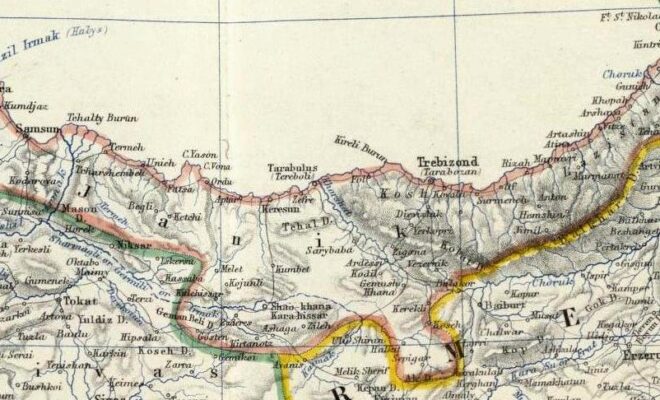
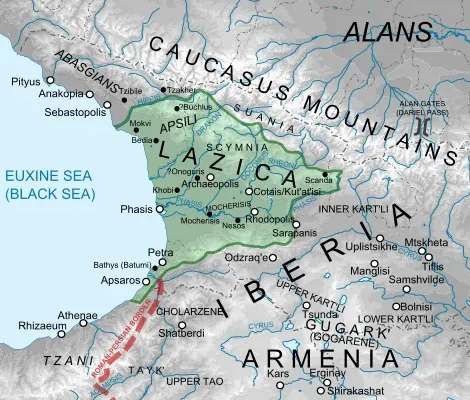
The change moved from west to east and from the coast inland, over roughly two centuries. Communities nearest Trabzon shifted earliest; the eastern valleys around Hopa held out longest. On the far side of what is now the Turkish–Georgian border, the Laz of Adjara went through the same process under Ottoman rule, which is why Muslim and Christian Kartvelian populations still sit side by side there.
What survived underneath
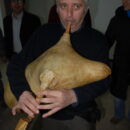
Older layers did not disappear so much as change register. Ruined churches remain in the mountains, place names preserve their Christian-era forms, and seasonal customs tied to the agricultural year kept going under new auspices. The yayla festivals of the high pastures, with their horon and their tulum, owe nothing to Islam and everything to a much older mountain calendar.
Sources
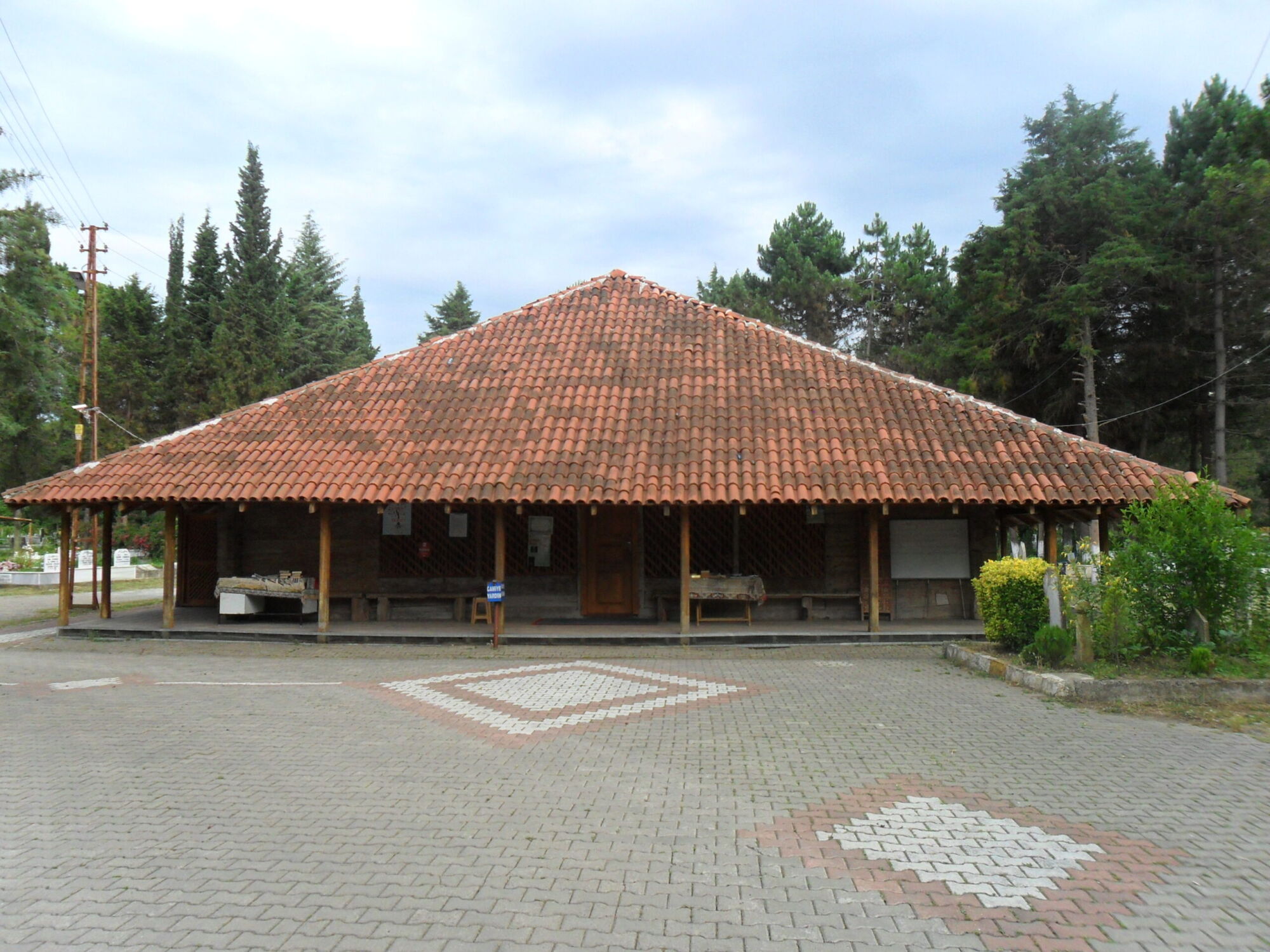
Image: a historic wooden Black Sea mosque (Gogceli, Samsun), via Wikimedia Commons (CC BY-SA 4.0).