



The Laz Migrations: Muhacir of the Black Sea
2 min read
Not all Laz history happened in the homeland. One of the great turning points for the Laz was a wave of forced migration in the late 19th century that scattered families across the Ottoman world and laid the foundations of today’s Laz diaspora.
The war of 1877-78
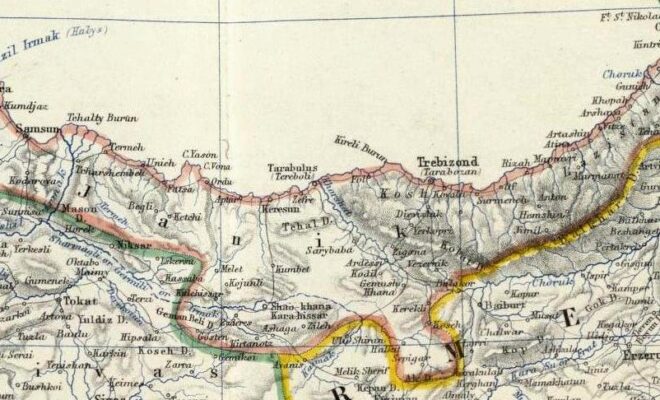
For centuries the Laz lived on both sides of what is now the Turkish-Georgian border, including the rich coastlands around Batumi. The Russo-Turkish War of 1877-78 changed everything: under the Treaty of Berlin, Russia annexed Batumi and the neighbouring Black Sea districts, bringing tens of thousands of Muslim Laz under Russian rule.
Becoming muhacir
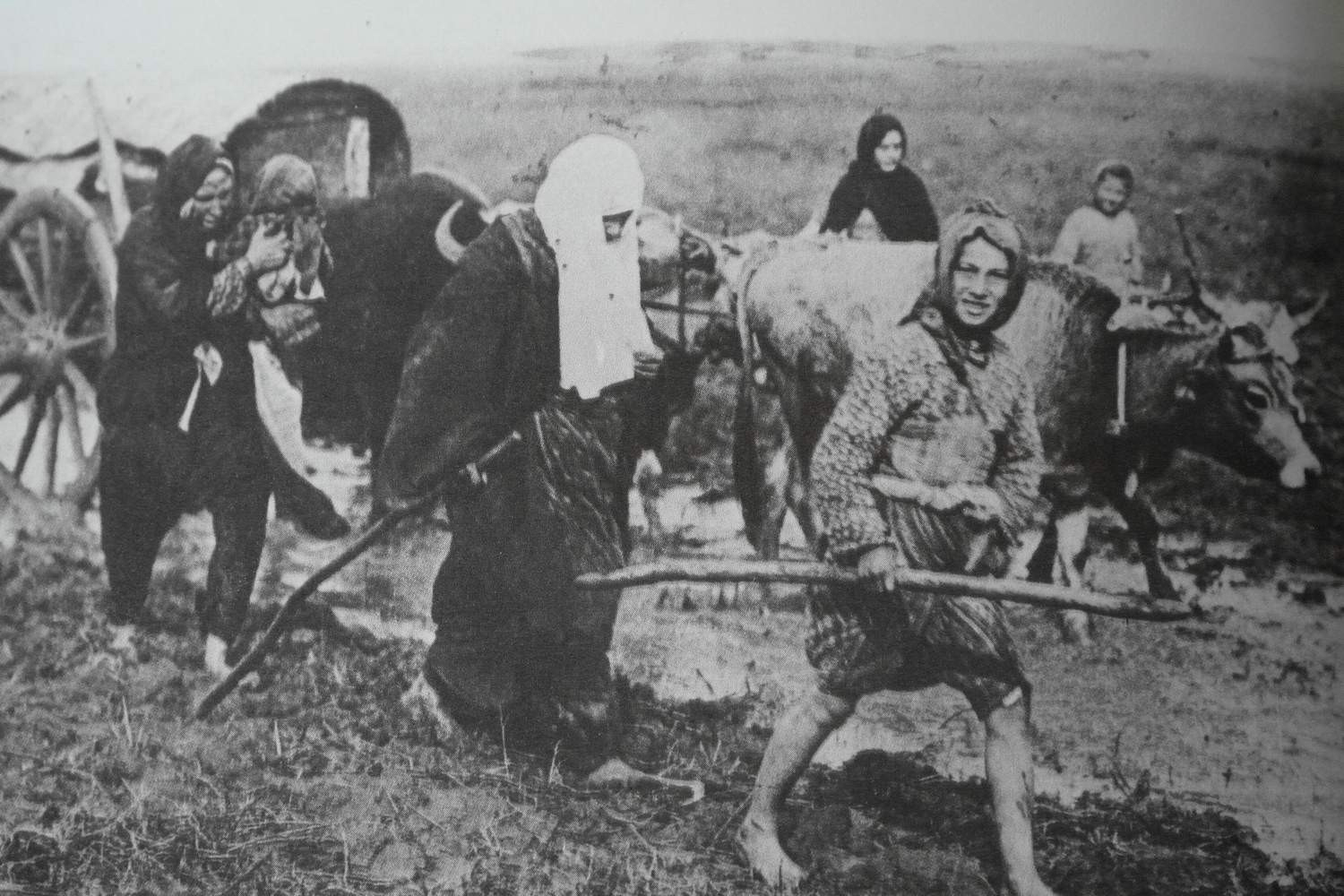
Rather than live under a Christian empire they feared would restrict their faith, large numbers of Laz chose to leave. They became muhacir, the Ottoman word for the Muslim refugees who streamed into the empire as its borders shrank. Whole communities from the Sarpi, Makriali and surrounding valleys abandoned their homes and crossed into Ottoman territory.
A new map of the Laz world
The muhacir were resettled far from the Black Sea coast. Important new Laz communities took root around Duzce, Sakarya and the Marmara region, as well as in Istanbul and across the Anatolian interior, where Laz villages still exist today. This dispersal is why the Laz are now found far beyond historic Lazistan, and why so many Laz families in western Turkey trace their roots to the lost lands around Batumi. The story continues in our article on the Laz diaspora.
Sources
Image: Muslim muhacir refugees of the late Ottoman period (arrivals in Anatolia, 1912), via Wikimedia Commons (public domain).