




Mcita Murutskhi: The First Laz Newspaper (1929)
3 min read
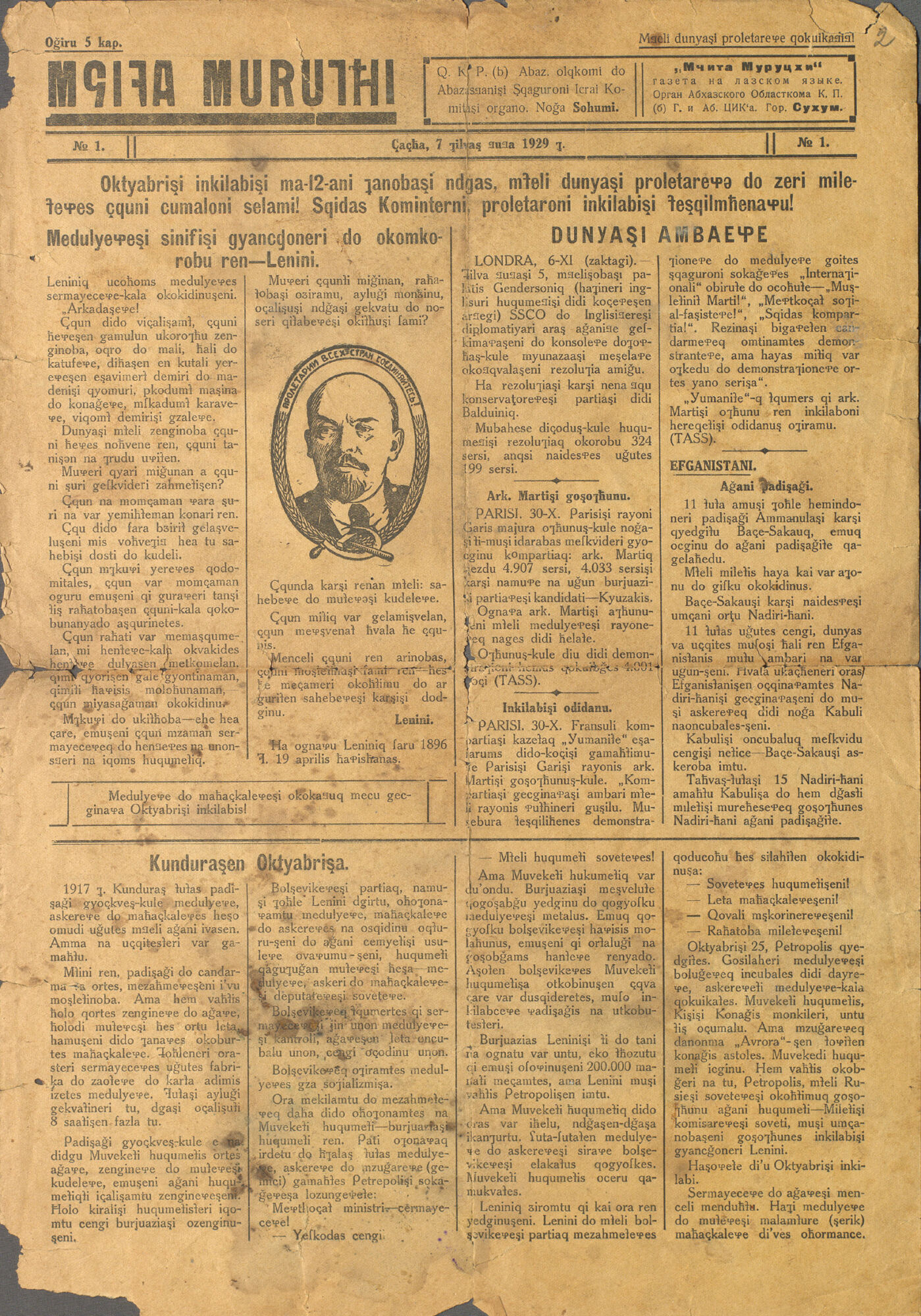
The story of written Laz begins not on the Black Sea coast but in the Soviet Union. On 7 November 1929, in Sukhumi, the first newspaper ever printed in the Laz language appeared: Mcita Murutskhi (“Red Star”).
A language finds its press
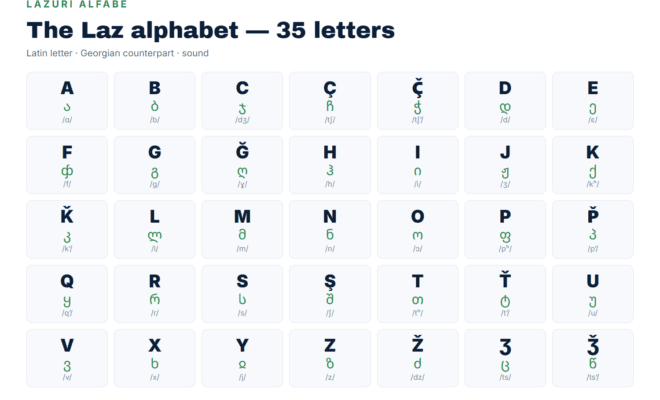
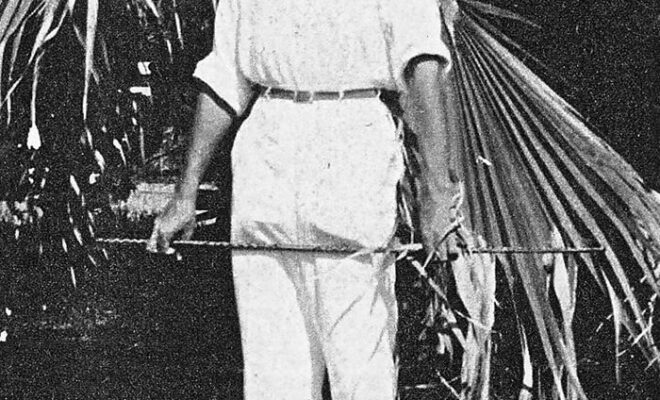
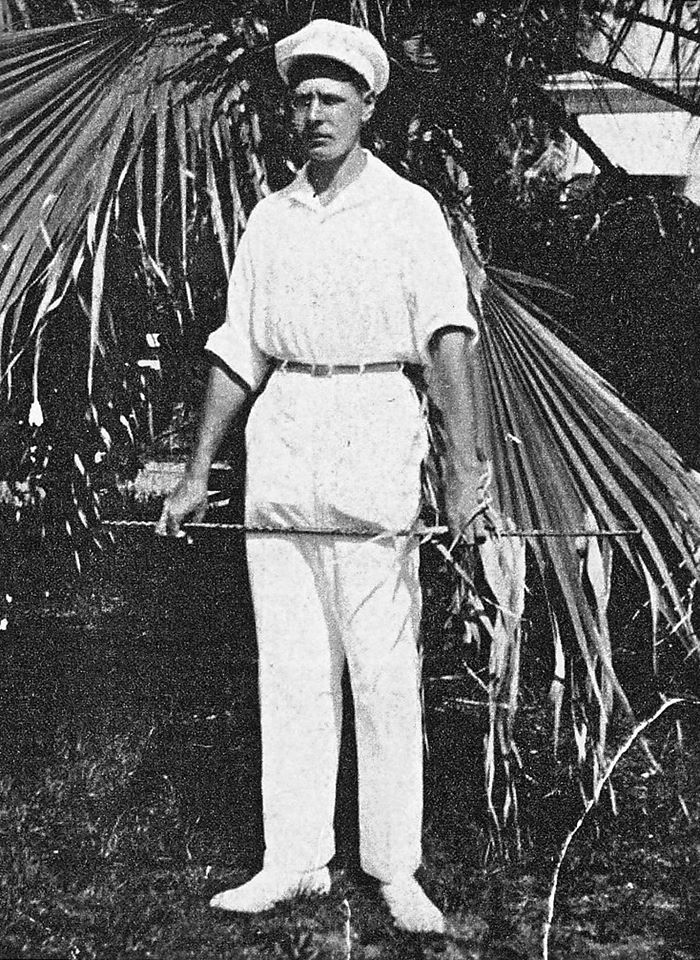
The paper was the work of Iskender Tzitashi, a Laz teacher and intellectual who had created the first Laz alphabet earlier that year, adapting the Latin script to the sounds of Lazuri. Mcita Murutskhi used this new alphabet with a clear aim: to raise literacy among the Laz and to turn a purely spoken language into a written one.
A short life, a lasting mark
The newspaper was short-lived, appearing only a couple of times before Soviet policy turned against minority-language work and Tzitashi himself was persecuted. In Turkey the paper was banned outright. Yet Mcita Murutskhi remains the world’s first publication in Laz, proof that the language could live on the page.
Remembered every year
Its legacy is now permanent: in 2021 the Laz Institute declared 7 November, the date of that first issue, as Laz Language Day, marked each year to honour the written word that Mcita Murutskhi began.
Why Sukhumi, and why 1929
That a Laz newspaper appeared in Abkhazia rather than on the Turkish coast was no accident. Through the 1920s Soviet nationalities policy, known as korenizatsiya, actively promoted minority languages: alphabets were devised, schools opened and newspapers funded in languages that had never been written down. The Laz community on the Soviet side of the border fell inside that window. In Turkey, the same years moved in the opposite direction.
What the paper carried
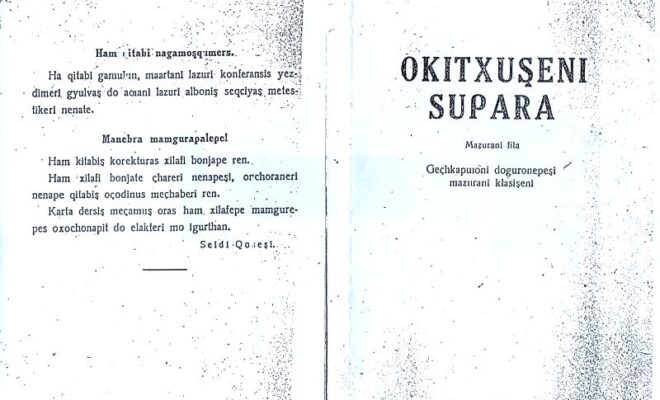
Mcita Murutskhi was a vehicle for literacy as much as for news. Printed in the Latin-based alphabet Tzitashi had built for Lazuri, it was intended to give a spoken language the ordinary apparatus of a written one: a standard spelling, a printed page, an audience reading the same words the same way. Schoolbooks in Laz followed from the same effort.
The window closes
The opening did not last. By the mid-1930s Soviet policy had reversed, minority-language publishing was wound down, and Tzitashi was persecuted. The alphabet fell out of use, and Lazuri returned to being a language spoken but not written. It would be more than fifty years before Wolfgang Feurstein produced a new Latin alphabet for Laz in 1984.
Sources
Image: first page of Mcita Murutskhi, November 1929, via Wikimedia Commons (public domain).