




The Rize Hat Revolt of 1925: The Hamidiye and the Hangings
2 min read
In the winter of 1925 the Laz town of Rize became the scene of one of the most painful episodes in modern Laz memory: a popular revolt against the new Hat Law, put down with a warship and a series of public executions.
The Hat Law
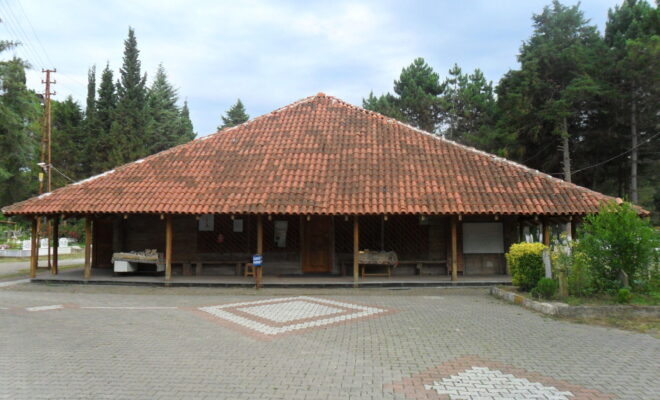
On 25 November 1925 the young Turkish Republic passed the Hat Law (Sapka Kanunu), which required men to wear Western-style brimmed hats in place of the fez, turban and other traditional headwear. In the conservative, religious villages of the eastern Black Sea the measure was felt as an attack on faith and custom. In Rize, crowds gathered at the Grand Mosque (Ulu Cami) in protest, declaring that their turbans were enough for them.
The Hamidiye off Rize
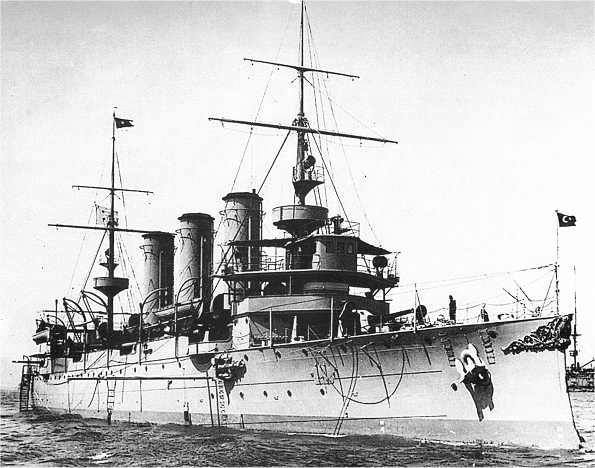
When the local governor alerted Ankara, the cruiser Hamidiye, a famous warship of the late Ottoman navy, was sent to the coast and opened fire toward the hills above the town to intimidate the protesters and any who might join them. The exact scale of the bombardment is debated by historians to this day, but its message was unmistakable: the resistance would be crushed.
The Independence Tribunal and the hangings
An Independence Tribunal (Istiklal Mahkemesi), the special revolutionary court of the era, was sent to try the participants. After hearings in December 1925, eight local men were sentenced to death and publicly hanged in Rize. Among them was Saban Koliva (Hafiz Saban), imam of the Grand Mosque and regarded as a leader of the movement, together with Kadir Koliva, Sabit Tarakcioglu, Yakup Pece, Muhammet Pece, Haci Hasan Efendi, Hafiz Mahmut Kamburoglu and Hasan Kulunkoglu. Dozens more were imprisoned far from home, in Sinop and Adana.
A contested memory
The Rize revolt remains a sensitive and contested subject. Some accounts frame it as religious oppression and emphasise the bombardment; others question its scale and the exact charges. What is not disputed is that local men, including members of well-known Laz families such as the Koliva, were executed in their own town for resisting the new order. For the Laz of Rize it endures as the memory of a community that paid dearly for holding to its traditions.
Note: this is a debated chapter of early-Republican history, and readers will find differing accounts and figures across Turkish sources.
Sources
- The Hat Revolution on Wikipedia
- Rize on Wikipedia
Image: the Ottoman cruiser Hamidiye, via Wikimedia Commons (public domain).