



Lazepe

Top Menu

  • History
  • Language & Literature
  • Music & Dance
  • News & Articles

Main Menu

  • Home
  • The Laz People
    • Who are the Laz?
    • Laz Tribes and Clans
    • Religion
    • Famous Laz People
      • Laz Musicians
      • Laz Historical Figures
      • Laz Writers & Academics
      • Laz Politicians & Military
  • Lazistan
    • Geography
    • Maps
    • History
    • Flag and Symbols
    • Demographics
    • Human Rights
  • Laz Language
    • Laz Alphabet
  • News & Articles
  • Interviews
  • Contact
  • History
  • Language & Literature
  • Music & Dance
  • News & Articles

logo

Lazepe

  • Home
  • The Laz People
    • Who are the Laz?
    • Laz Tribes and Clans
    • Religion
    • Famous Laz People
      • Laz Musicians
      • Laz Historical Figures
      • Laz Writers & Academics
      • Laz Politicians & Military
  • Lazistan
    • Geography
    • Maps
    • History
    • Flag and Symbols
    • Demographics
    • Human Rights
  • Laz Language
    • Laz Alphabet
  • News & Articles
  • Interviews
  • Contact
History
Home›History›The Conversion of the Laz to Islam

The Conversion of the Laz to Islam
By Lazepe
June 6, 2026
3
0
Share:
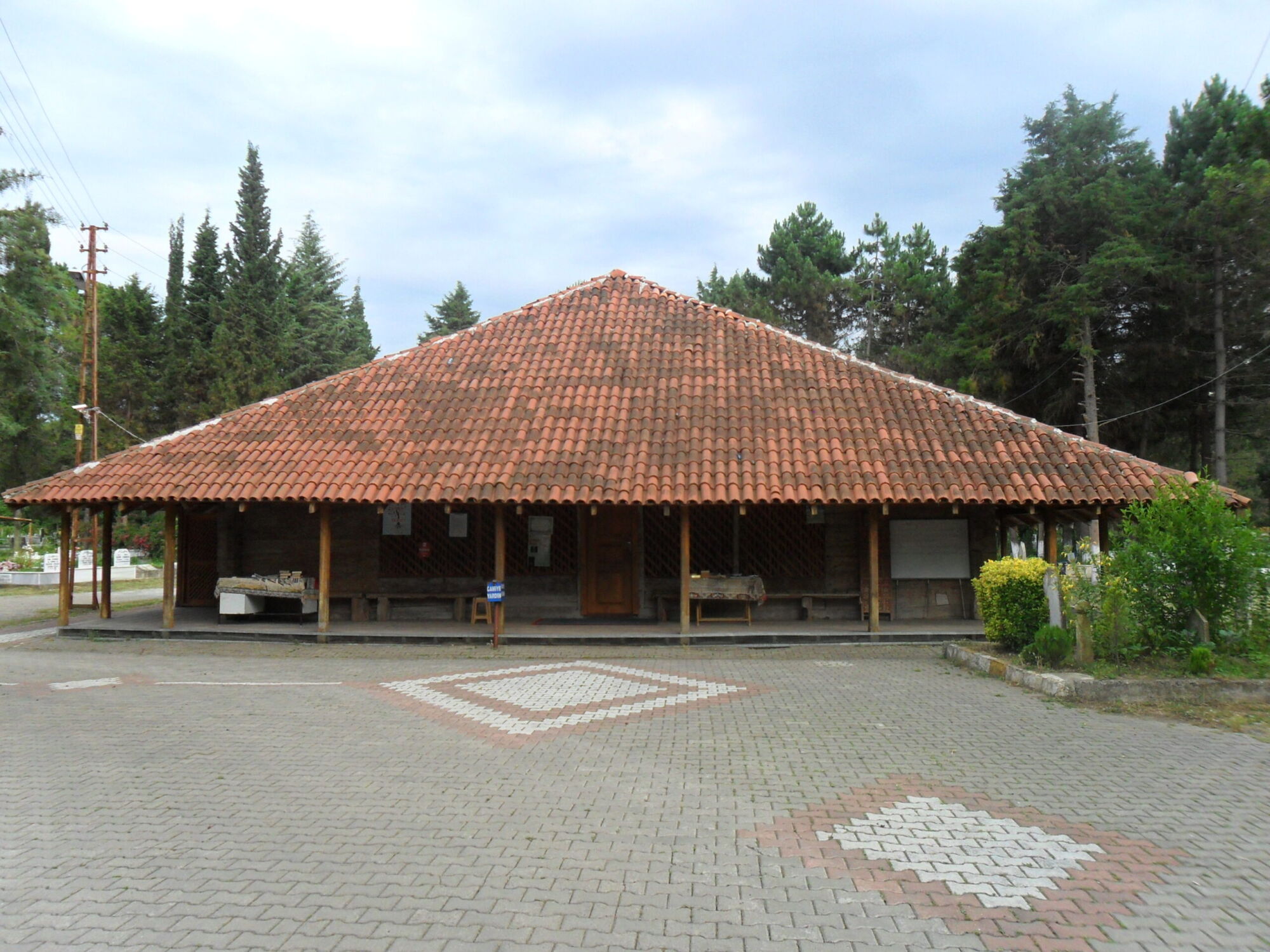
A historic wooden Black Sea mosque

For over a thousand years the Laz were a Christian people, part of the Orthodox world of the eastern Black Sea. Today almost all Laz in Turkey are Sunni Muslims. The passage between these two worlds is one of the deepest transformations in the history of Lazistan.
Table of Contents

Toggle
  • From Christianity to Islam
  • A gradual, lasting change
  • Faith and identity today

From Christianity to Islam

The Laz had been Christian since late antiquity. After the Ottoman conquest of the eastern Black Sea in the 15th and 16th centuries, Islam gradually spread among them. The shift was not sudden: conversion unfolded over generations, gaining pace in the 16th and 17th centuries as Ottoman institutions, mosques and religious schools took root in the region.

A gradual, lasting change

By the modern era the Laz had become overwhelmingly Sunni Muslim, and are today often noted for a devout attachment to the faith. As in many converted regions, older customs did not vanish entirely: pre-Islamic and Christian-era folk beliefs survived quietly, woven into local tradition and the seasonal life of the mountains.

Faith and identity today

Islam is now an inseparable part of Laz identity, yet the memory of the earlier Christian centuries remains visible in place names, ruined churches and the deep historical ties between the Laz and the wider Caucasus. For the religious life of the Laz today, see our Religion page.

Learn more: Laz people on Wikipedia.

Image: a historic wooden Black Sea mosque (Gogceli, Samsun), via Wikimedia Commons (CC BY-SA 4.0).
Previous Article

The Christianization of Lazica

Next Article

The Rize Hat Revolt of 1925: The ...

Share:

Related articles More from author

  • Muhacir refugees of the late Ottoman period
    History

    The Laz Migrations: Muhacir of the Black Sea

    June 6, 2026
    By Lazepe
  • Ruins of the Petra fortress in Lazica
    History

    The Lazic War (541-562): Byzantium and Persia Fight for Lazica

    June 6, 2026
    By Lazepe
  • Kingdom of Lazica
    History

    The Kingdom of Lazica (Egrisi): A Forgotten Caucasian Kingdom

    March 26, 2026
    By Lazepe
  • Historical photograph of Laz people along the Coruh River
    History

    The Rize Attack

    March 26, 2026
    By Lazepe
  • The Ottoman cruiser Hamidiye
    History

    The Rize Hat Revolt of 1925: The Hamidiye and the Hangings

    June 6, 2026
    By Lazepe
  • 1861 map of the eastern Black Sea and Transcaucasia
    History

    The Sanjak of Lazistan: An Ottoman Province Named After the Laz

    June 6, 2026
    By Lazepe

Leave a reply Cancel reply

  • Zilkale Castle in Camlihemsin, Rize, Lazistan
    News & Articles

    The Beauty of Lazistan: Landscapes of the Eastern Black Sea

  • Historical photograph of Laz people along the Coruh River
    History

    The Rize Attack

  • Karakovan tea plantations in Rize, Lazistan
    Language & Literature

    Introduction to the Laz Language (Lazuri)

Support Lazepe

Help keep the Laz language, music and history alive for the next generation.

Make a donation Every contribution counts

Follow us

Articles

News & Articles

Welcome to Lazepe.com

  • Laz peoples

    The Laz Diaspora: Communities Around the World

    By Lazepe
    March 26, 2026
  • Zilkale Castle in Camlihemsin, Rize, Lazistan

    The Beauty of Lazistan: Landscapes of the Eastern Black Sea

    By Lazepe
    March 26, 2026

Interviews

Interviews

Ismail Avci Bucaklisi: A Voice for the Laz Language

Our Logos

Lazepe Logo ColoredLazepe Logo White

About Lazepe

Lazepe.com is an independent Laz website that publishes news, articles, interviews, historical documents, literary works, photographs, music and videos about the Laz people.

Lazepe

Independent Laz website that publishes news, articles, interviews, historical documents, literary works, photographs, music and videos.

Subscribe to our Newsletter

Last Publications

  • June 6, 2026

    The Laz Migrations: Muhacir of the Black Sea

  • June 6, 2026

    John the Laz (Ioane Lazi)

  • June 6, 2026

    The Rize Hat Revolt of 1925: The Hamidiye and the Hangings

  • June 6, 2026

    The Conversion of the Laz to Islam

  • June 6, 2026

    The Christianization of Lazica

Most Commented

  • Muhacir refugees of the late Ottoman period
    History

    The Laz Migrations: Muhacir of the Black Sea

    By Lazepe
    June 6, 2026
    0
  • Firtina Valley in Rize, the heart of Lazistan
    News & Articles

    Welcome to Lazepe.com

    By Lazepe
    March 26, 2026
    0
  • Horon dancers on the Black Sea coast
    Music & Dance

    Laz Traditional Dances: The Horon

    By Lazepe
    March 26, 2026
    0
  • Kingdom of Lazica
    History

    The Kingdom of Lazica (Egrisi): A Forgotten Caucasian Kingdom

    By Lazepe
    March 26, 2026
    0
  • Privacy Policy
  • Donation
  • Contact
© 2026 Lazepe · Independent Laz culture, language & history project