



Lazepe

Top Menu

  • History
  • Language & Literature
  • Music & Dance
  • News & Articles

Main Menu

  • Home
  • The Laz People
    • Who are the Laz?
    • Laz Tribes and Clans
    • Religion
    • Famous Laz People
      • Laz Musicians
      • Laz Historical Figures
      • Laz Writers & Academics
      • Laz Politicians & Military
  • Lazistan
    • Geography
    • Maps
    • History
    • Flag and Symbols
    • Demographics
    • Human Rights
  • Laz Language
    • Laz Alphabet
  • News & Articles
  • Interviews
  • Quiz
  • Contact
  • History
  • Language & Literature
  • Music & Dance
  • News & Articles

logo

Lazepe

  • Home
  • The Laz People
    • Who are the Laz?
    • Laz Tribes and Clans
    • Religion
    • Famous Laz People
      • Laz Musicians
      • Laz Historical Figures
      • Laz Writers & Academics
      • Laz Politicians & Military
  • Lazistan
    • Geography
    • Maps
    • History
    • Flag and Symbols
    • Demographics
    • Human Rights
  • Laz Language
    • Laz Alphabet
  • News & Articles
  • Interviews
  • Quiz
  • Contact

Language & Literature

Home›Category: "Language & Literature"
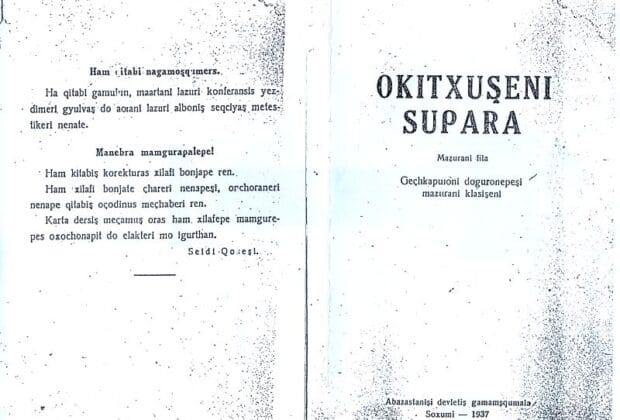
  • Illustration of Laz language and literature
    Language & Literature
    By Lazepe
    March 26, 2026
    24
    0

    Lazuri Nena: A Grammar of the Laz Language

    For most of its history, Lazuri (the Laz language) was an oral language, carried in songs, proverbs and everyday speech but rarely written down. Documenting its ...
    Read More
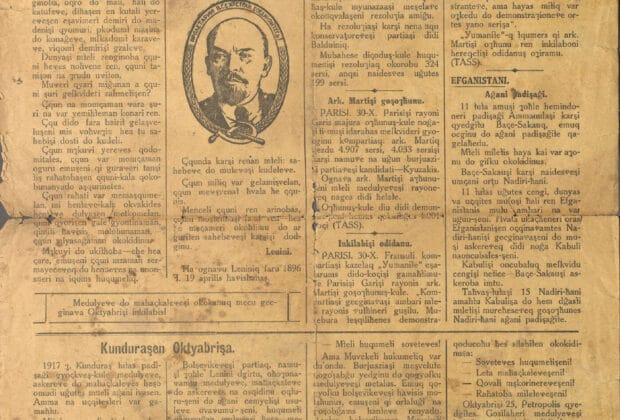
  • First page of Mcita Murutskhi, the first Laz newspaper, 1929
    Language & Literature
    By Lazepe
    March 26, 2026
    31
    0

    Mcita Murutskhi: The First Laz Newspaper (1929)

    Published on 7 November 1929, Mcita Murutskhi (Red Star) was the first newspaper ever printed in the Laz language, the milestone now marked as Laz Language ...

    Read More
  • Karakovan tea plantations in Rize, Lazistan
    Language & Literature
    By Lazepe
    March 26, 2026
    26
    0

    Introduction to the Laz Language (Lazuri)

    Lazuri: A Unique and Endangered Language of the Caucasus The Laz language, known to its speakers as Lazuri (or sometimes Lazuri nena, literally “the Laz tongue”), ...
    Read More

Support Lazepe

Help keep the Laz language, music and history alive for the next generation.

Make a donation Every contribution counts

Follow us

Articles

News & Articles

Welcome to Lazepe.com

  • Laz peoples

    The Laz Diaspora: Communities Around the World

    By Lazepe
    March 26, 2026
  • Zilkale Castle in Camlihemsin, Rize, Lazistan

    The Beauty of Lazistan: Landscapes of the Eastern Black Sea

    By Lazepe
    March 26, 2026

Interviews

Interviews

Ismail Avci Bucaklisi: A Voice for the Laz Language

Our Logos

Lazepe Logo ColoredLazepe Logo White

About Lazepe

Lazepe.com is an independent Laz website that publishes news, articles, interviews, historical documents, literary works, photographs, music and videos about the Laz people.

Lazepe

Independent Laz website that publishes news, articles, interviews, historical documents, literary works, photographs, music and videos.

Subscribe to our Newsletter

Last Publications

  • June 6, 2026

    The Laz Migrations: Muhacir of the Black Sea

  • June 6, 2026

    John the Laz

  • June 6, 2026

    The Rize Hat Revolt of 1925: The Hamidiye and the Hangings

  • June 6, 2026

    The Conversion of the Laz to Islam

  • June 6, 2026

    The Christianization of Lazica

Most Commented

  • Muhacir refugees of the late Ottoman period
    History

    The Laz Migrations: Muhacir of the Black Sea

    By Lazepe
    June 6, 2026
    0
  • Firtina Valley in Rize, the heart of Lazistan
    News & Articles

    Welcome to Lazepe.com

    By Lazepe
    March 26, 2026
    0
  • Horon dancers on the Black Sea coast
    Music & Dance

    Laz Traditional Dances: The Horon

    By Lazepe
    March 26, 2026
    0
  • Kingdom of Lazica
    History

    The Kingdom of Lazica (Egrisi): A Forgotten Caucasian Kingdom

    By Lazepe
    March 26, 2026
    0
  • Privacy Policy
  • Donation
  • Contact
© 2026 Lazepe · Independent Laz culture, language & history project