


John the Laz
2 min read
John the Laz (Georgian: Ioane Lazi) was a 5th-century Laz monk and theologian who became one of the founding figures of Christian monasticism in the Holy Land, the earliest of the famous sons of Lazistan whose name has come down to us.
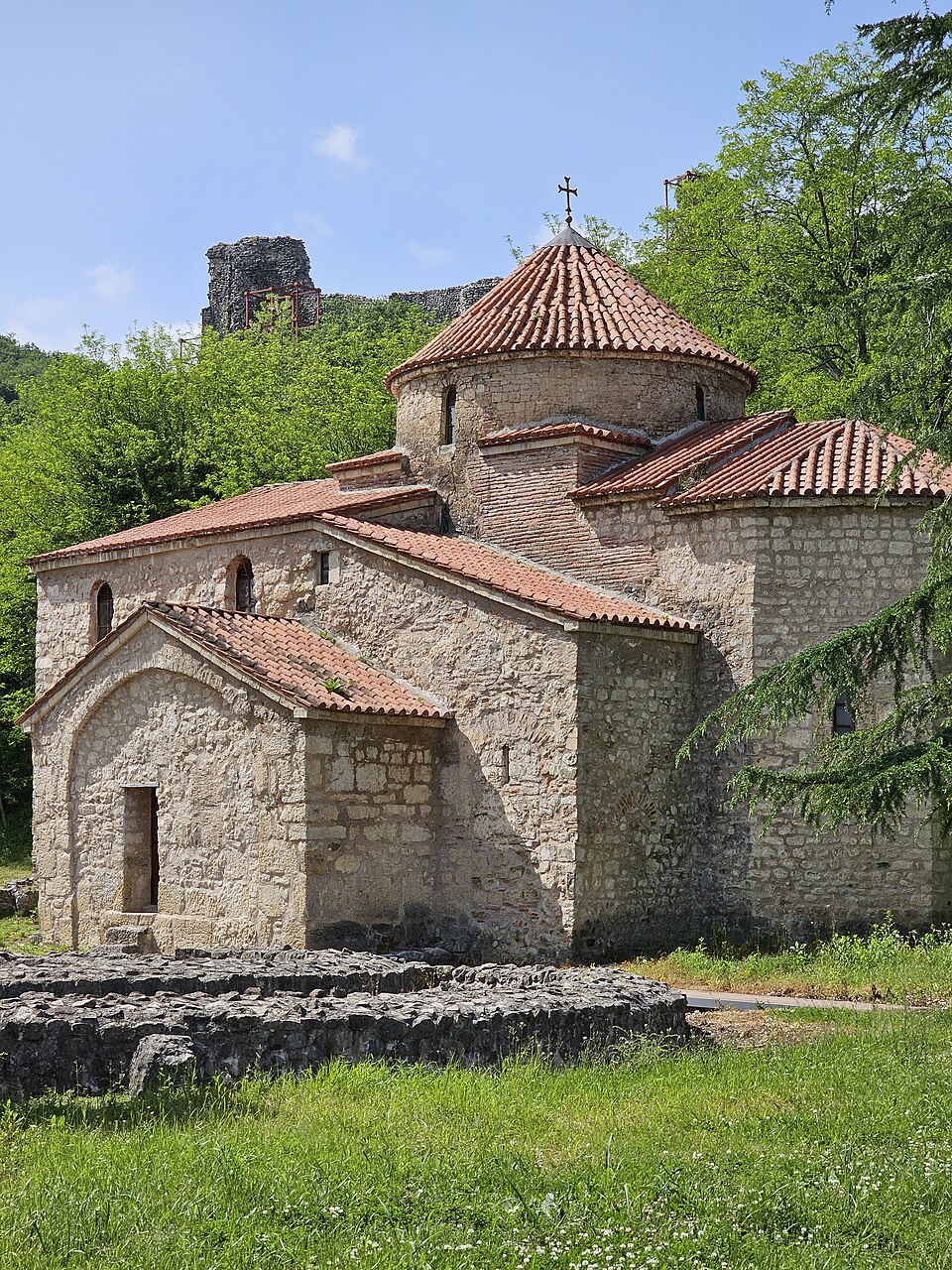
From the court to the cloister
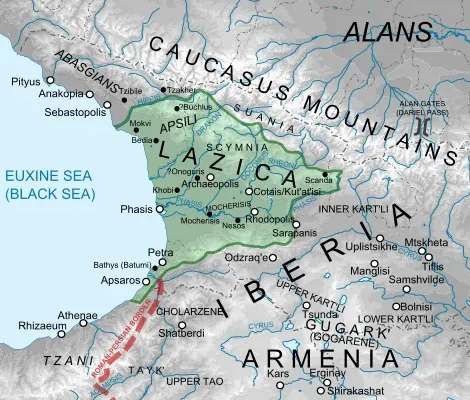
He was born Mithridates in Lazica, then part of the Caucasian kingdom of Iberia under King Vakhtang I. As a young man he served as a chamberlain (cubicularius) at the imperial court in Constantinople, but, drawn to the religious life, he gave up his position, took the monastic name John and devoted himself to the church.
Companion of Peter the Iberian
At the Great Palace of Constantinople John met the young Georgian prince Peter the Iberian, and the two became inseparable. John was Peter’s tutor, lifelong companion and, by some accounts, his godfather. Together they left the court for Jerusalem, where they founded a monastery near the Tower of David that served as a shelter for poor pilgrims, a place of uninterrupted worship.
Gaza and legacy
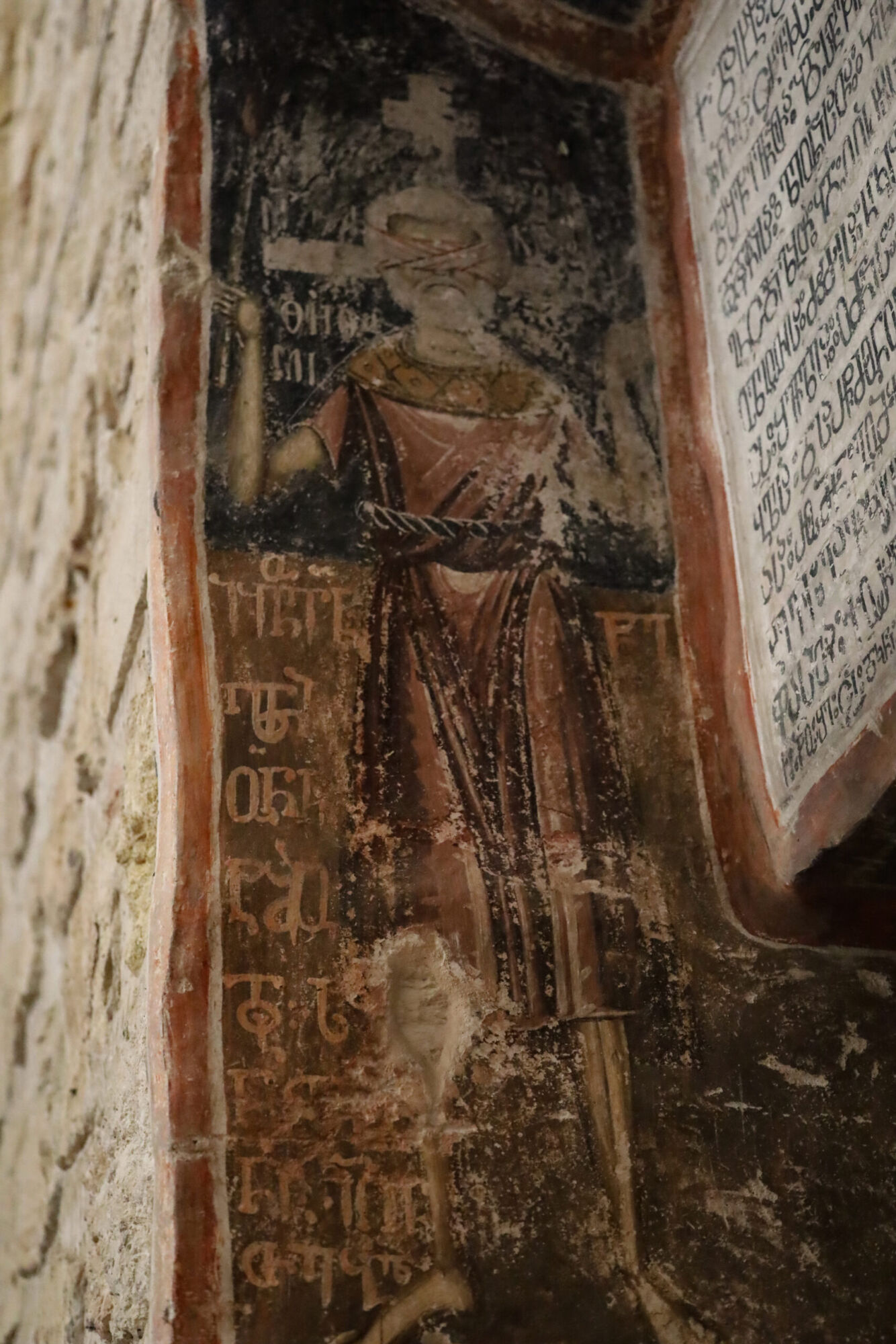
Around 444 the pair moved to the region of Gaza, where Peter became bishop. John, who suffered from a painful skin disease, was said to have been miraculously healed at the Church of the Holy Sepulchre. He died in Gaza around 463-465. Remembered as a pioneer of Palestinian monasticism, he is depicted in a 13th-century fresco at the Monastery of the Cross in Jerusalem, a rare medieval image of a Laz Christian who helped shape the early Church far from his Black Sea homeland.
Sources
Image: fresco of John the Laz, Monastery of the Cross, Jerusalem (13th c.), public domain.