




King Gubazes II of Lazica
3 min read
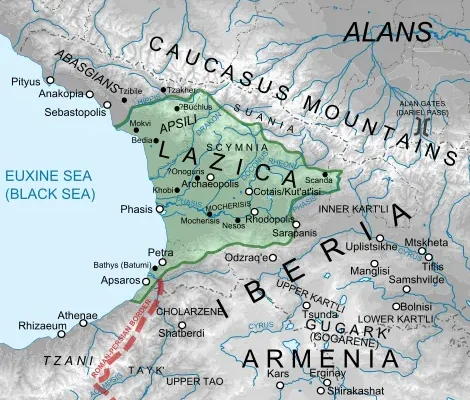
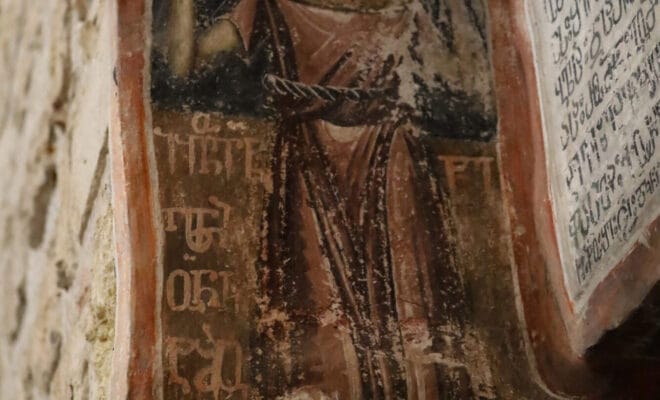
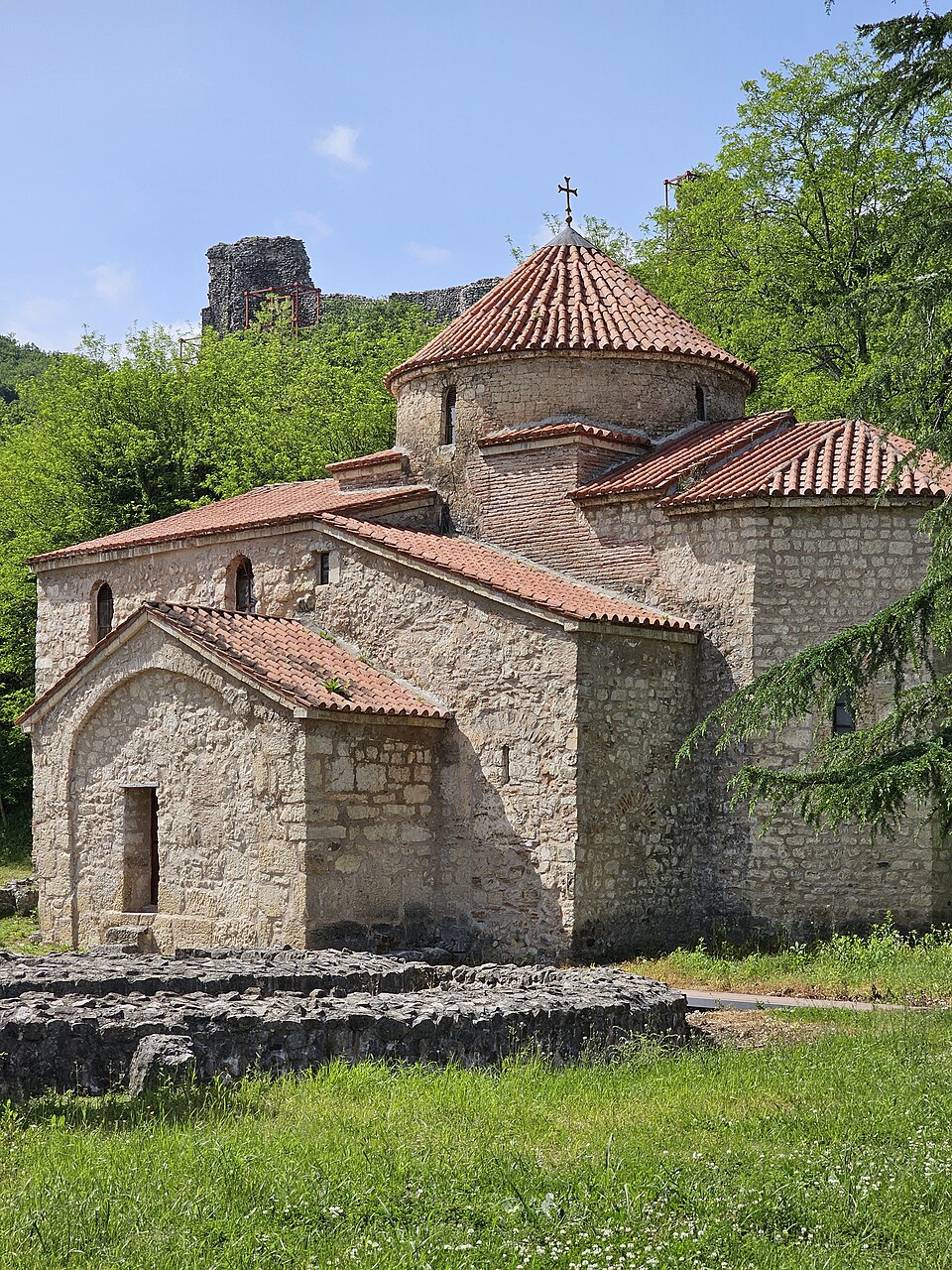
Gubazes II (died 555 AD) was the king of the Kingdom of Lazica (Egrisi) during one of the most turbulent periods in the history of the eastern Black Sea region: the Lazic War (541–562 AD) between the Byzantine and Sassanid (Persian) empires.

The Lazic War
Gubazes initially invited the Sassanid Persians into Lazica, dissatisfied with increasing Byzantine interference in his kingdom’s affairs. However, the Persian occupation proved far more oppressive than Byzantine influence. The Sassanids imposed heavy taxes, restricted trade, and attempted to convert the Christian Laz population to Zoroastrianism.
Recognizing his mistake, Gubazes turned back to Constantinople and allied with the Byzantine Emperor Justinian I to expel the Persians. The war that followed lasted over two decades and devastated much of Lazistan, as the two empires fought for control of the strategic Black Sea coast.
Assassination
In 555 AD, Gubazes was assassinated by Byzantine generals who had grown frustrated with what they perceived as his unreliability and his insistence on Lazican autonomy. The assassination was reportedly ordered without Justinian’s knowledge, and the emperor punished the generals responsible. However, the damage was done. The last truly independent Laz king was dead.
Legacy
Gubazes II remains a powerful symbol of Laz sovereignty and the struggle for independence. His story, caught between two empires, seeking autonomy for his people and ultimately betrayed, resonates with the broader Laz experience of navigating between larger political powers. For modern Laz people, he represents a time when the Laz were masters of their own destiny.
The trial that followed
The killing did not pass quietly. According to the historian Agathias, who recorded these events in the generation that followed, the Laz nobility refused to accept the murder of their king and sent envoys to Constantinople demanding justice. Justinian dispatched a senator, Athanasius, to hold a formal inquiry on Lazic soil. The hearing was held in the open before the assembled Laz, and the officers held responsible were condemned. It was a rare instance of an imperial court answering to a subject people.
Gubazes was succeeded by his brother Tzath II, who was crowned at Constantinople, a sign of how firmly Lazica had by then been drawn into the Byzantine orbit.
What the sources say
Almost everything known about Gubazes comes from two Byzantine historians: Procopius of Caesarea, who chronicled Justinian’s wars as they happened, and Agathias, who continued his account. Both wrote from the Byzantine side, so the portrait of Gubazes that survives is the one his allies and rivals chose to leave.
Sources
- Gubazes II of Lazica on Wikipedia
- The Lazic War on Wikipedia
- Agathias, Histories, Book III, on the assassination and the inquiry that followed
- Procopius, History of the Wars, Books II and VIII