



Volkan Konak

2 min read
Volkan Konak (27 February 1967 – 31 March 2025) was a Turkish singer, composer and arranger from the eastern Black Sea, and one of the most recognisable voices the region has produced. Over a career of more than thirty years he brought the sound of the kemence and the tulum to audiences across Turkey.
Why he appears on a Laz site
Konak was born in the village of Yeşilyurt, in the Maçka district of Trabzon — well west of the Laz-speaking districts of Rize and Artvin. In a 2009 interview he stated plainly that he was neither Greek nor Laz. He belongs here not as a Laz figure but as the musician who did more than almost anyone to carry eastern Black Sea instruments into the Turkish mainstream, and whose success made that repertoire commercially viable for the Laz artists who followed him.
Career
He released his first album, Suların Horon Yeri, in 1989, and went on to record thirteen studio albums over three decades, ending with Dalya in 2019. His best-known song, “Cerrahpaşa”, appeared on the 2006 album Mora and became one of the most widely recognised Turkish songs of its decade.
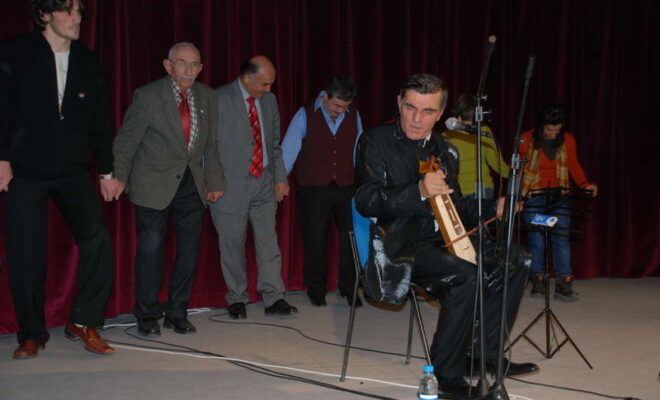
His records set traditional Black Sea material against rock and pop arrangements, and his concerts — often built around the horon — filled the largest venues in Istanbul and Ankara. Alongside Black Sea compositions he performed folk material from other regions of Turkey and from Cyprus.
Death and legacy
Konak died on 31 March 2025 in Famagusta, in Northern Cyprus, at the age of 58.
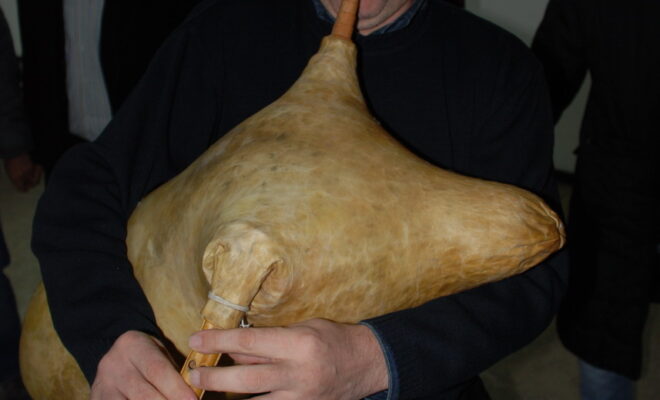
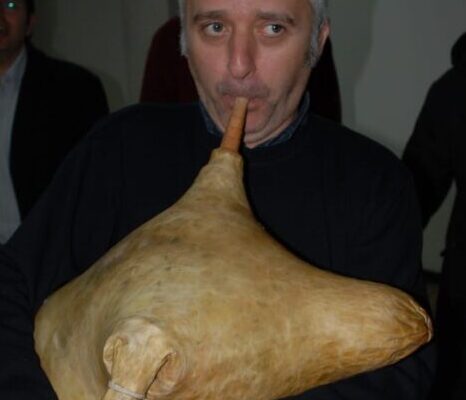
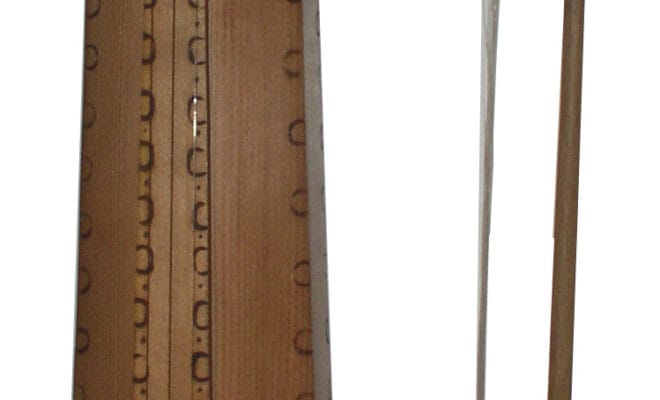
His significance for Laz culture is indirect but real. By making the kemence and the tulum familiar to listeners with no connection to the coast, he helped turn regional instruments into something a national audience recognised rather than dismissed. The generation of Laz-language musicians who recorded after him — among them Kazım Koyuncu and Birol Topaloğlu — worked in a landscape his popularity had opened up.
Sources
- Volkan Konak on Wikipedia
- Kemence of the Black Sea on Wikipedia