




Lazuri Nena: A Grammar of the Laz Language

2 min read
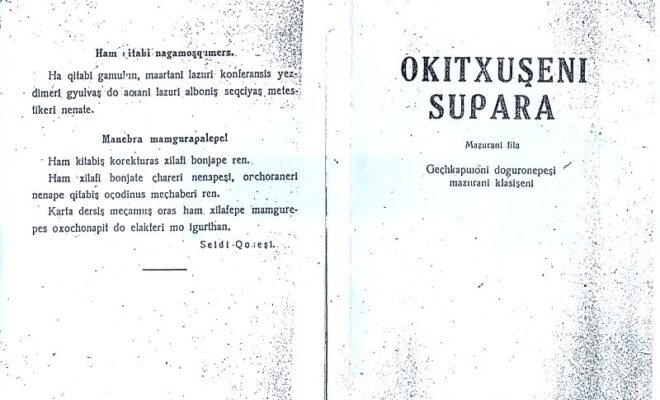
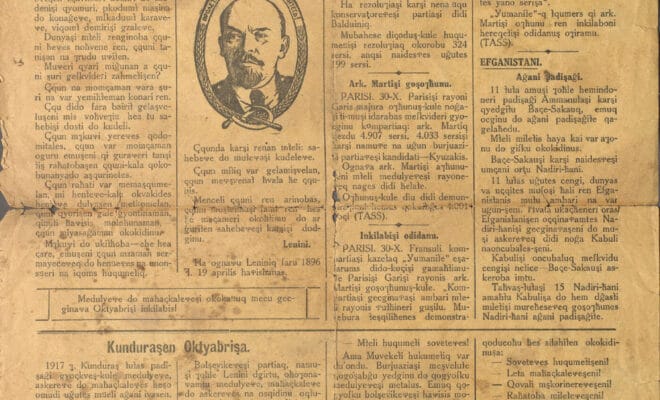
For most of its history, Lazuri (the Laz language) was an oral language, carried in songs, proverbs and everyday speech but rarely written down. Documenting its grammar has therefore been one of the most important tasks in the effort to keep the language alive.
A landmark grammar
The most comprehensive study of the language to date is Lazuri Grameri / Lazca Gramer / Laz Grammar, written by the Laz scholar Ismail Avci Bucaklisi together with the Japanese linguist Goichi Kojima and published in 2008. Running to more than four hundred pages and presented in Laz, Turkish and English, it is the first full descriptive grammar of the language.
Their fieldwork also reshaped how scholars understand Lazuri itself: their analysis expanded the number of recognised Laz dialects from three to five, mapping the differences between the speech of areas such as Pazar, Ardesen, Arhavi and Hopa.
Building a written language
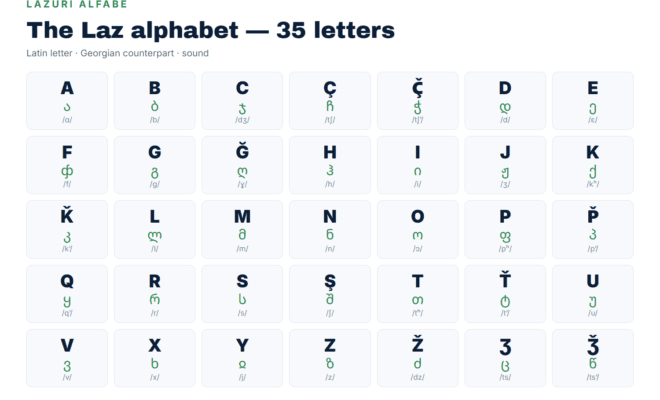
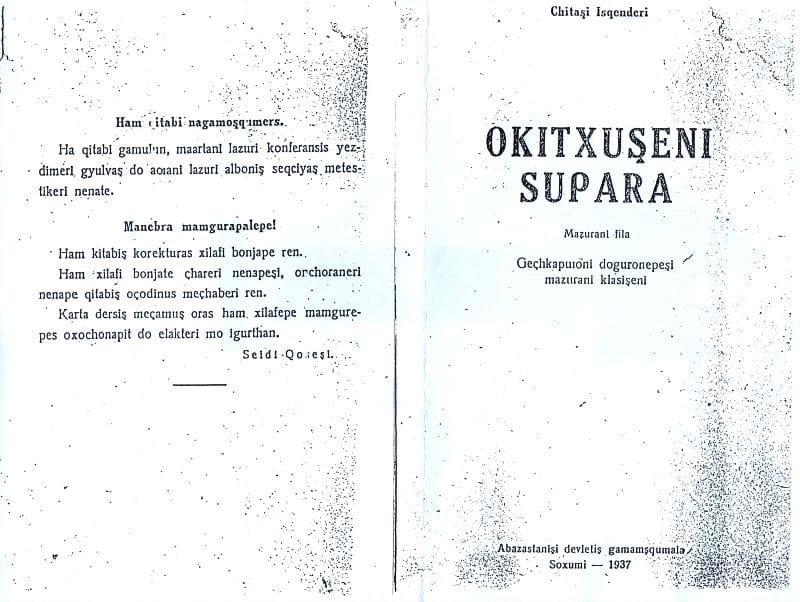
The grammar did not appear in isolation. Bucaklisi had earlier co-authored the first Laz-Turkish dictionary, and the modern Latin-based Laz alphabet developed by Wolfgang Feurstein in 1984 finally gave the language a stable way to be written. Dictionary, alphabet and grammar together form the foundation on which Laz can now be taught in schools and used in literature.
These works turned Lazuri from a purely spoken tongue into one that can be studied, standardised and passed on, an essential step for a language that UNESCO classifies as endangered.
Sources